
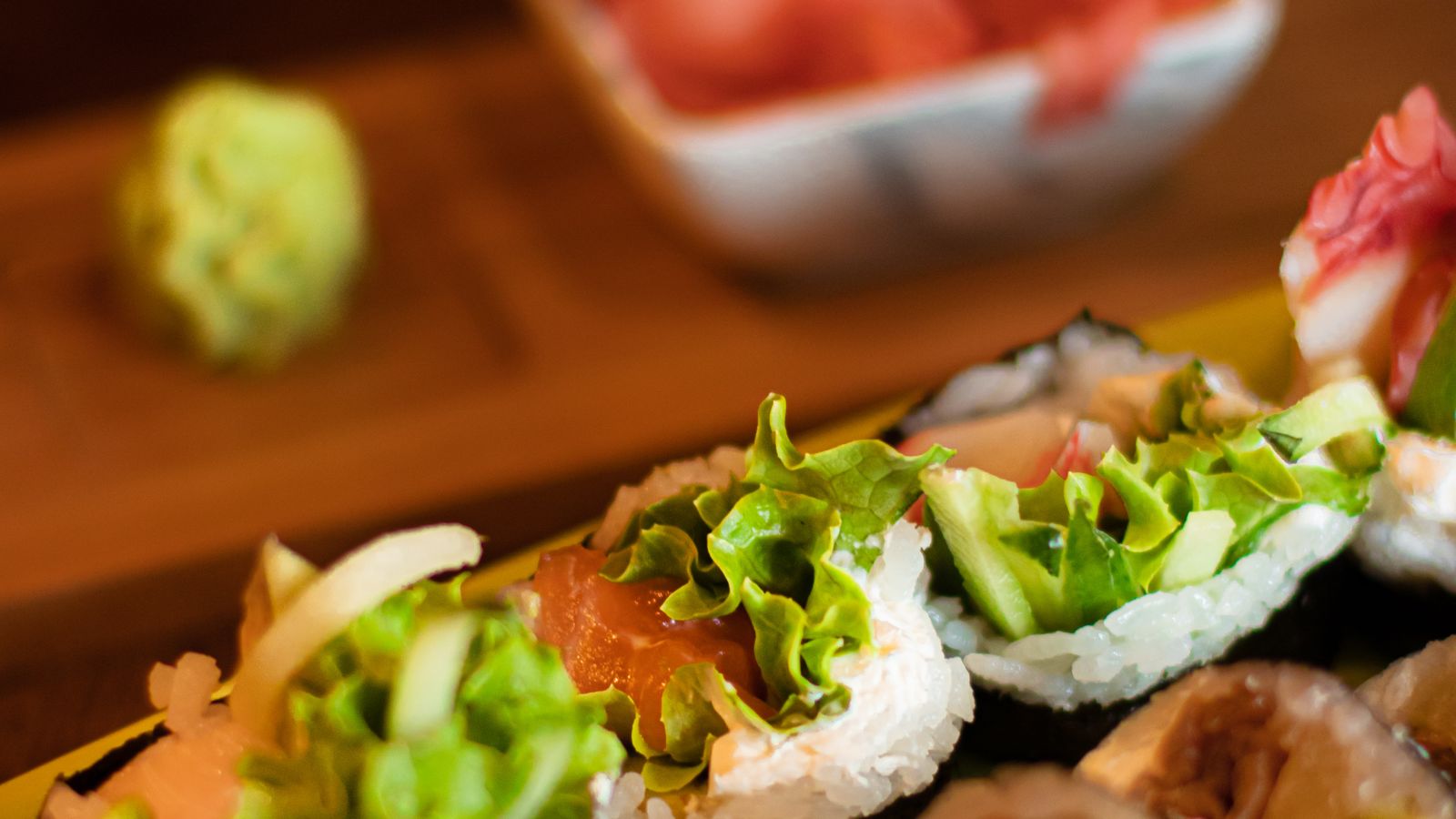
What to Eat Around Lake Kawaguchiko
A refined Mt. Fuji gourmet guide for international travelers
Lake Kawaguchiko is often planned around scenery: the morning reflection of Mt. Fuji, the seasonal flowers at Oishi Park, the ropeway, the lakeside hotels, and the quiet rhythm of a night near the water. But for international travelers, the food around the lake can be just as memorable as the view.
The best meals here are warm, local, and deeply connected to the mountain climate: thick noodles, miso broth, clean spring water, fruit, delicate sweets, and wine from Yamanashi’s vineyards. Below are five refined food experiences to build into a Mt. Fuji itinerary.
1. Hoto Noodles
Yamanashi comfort food
Photo: Jungle / Wikimedia Commons / CC BY-SA 3.0
Hoto is a hearty Yamanashi specialty made with wide, flat noodles simmered in a miso-based broth with vegetables such as pumpkin, mushrooms, and seasonal greens. It is especially satisfying after a cold morning outdoors, a long drive from Tokyo, or a photo session by the lake.
Why it belongs in your itinerary
- One of Yamanashi’s most recognizable regional dishes.
- The warm broth suits autumn, winter, and cool early-spring travel especially well.
- Easy to pair with Lake Kawaguchiko sightseeing and private transfers.
- Filling enough to anchor a relaxed lunch before an afternoon viewpoint.
- Different from the ramen, sushi, and tempura many visitors already know.
Best time to visit
2. Yoshida Udon
Fujiyoshida local noodles
Photo: Ocdp / Wikimedia Commons / CC0
Compared with standard udon, Yoshida udon is known for its thick, firm, chewy texture. The broth is often based on miso or a blend of miso and soy sauce, and a typical bowl includes cabbage. Many shops also offer their own spicy seasoning, often called suridane.
Why it belongs in your itinerary
- Gives visitors a clear taste of Fujiyoshida’s local identity.
- The texture is distinctive even for people who have eaten udon elsewhere in Japan.
- Works well before or after Arakurayama Sengen Park, Shimoyoshida, or Fujisan Station.
- Small local shops make the meal feel grounded in the town.
- A good casual contrast to a more refined ryokan dinner later in the day.
Best time to visit
3. Fuji Oishi Hanaterrace
Sweets, coffee & garden views
The small lakeside complex is known for white-walled buildings, stone paths, seasonal flowers, cafes, sweets, and Yamanashi-made gifts. On a clear day, the combination of Mt. Fuji, Lake Kawaguchiko, flowers, and dessert makes this one of the softest places in the area to pause between viewpoints.
Why it belongs in your itinerary
- Pairs naturally with Oishi Park and northern Lake Kawaguchiko sightseeing.
- Offers cafes, sweets, and local gifts in one compact stop.
- The lakeside setting keeps the focus on Mt. Fuji rather than shopping alone.
- Seasonal flowers make the atmosphere feel different throughout the year.
- An easy choice for travelers who want a polished but relaxed cafe break.
Best time to visit
4. A Lakeside Cafe Pause
Quiet luxury between viewsAround Lake Kawaguchiko, a good cafe moment does not need to be complicated. Look for a place where you can sit down with coffee, tea, cake, or a light snack and let the view settle. The best cafe experience here is often not about chasing the most famous shop; it is about choosing the right hour, the right seat, and enough time to stop moving.
Why it belongs in your itinerary
- Creates a natural break between sightseeing locations.
- Helps slow down a day trip from Tokyo or a packed overnight stay.
- Ideal for travelers who want atmosphere without committing to a full meal.
- Dessert and coffee pair well with lake-view photography.
- Gives the itinerary a calmer, more premium rhythm.
Best time to visit
5. Koshu Wine and a Ryokan Dinner
Refined evening finish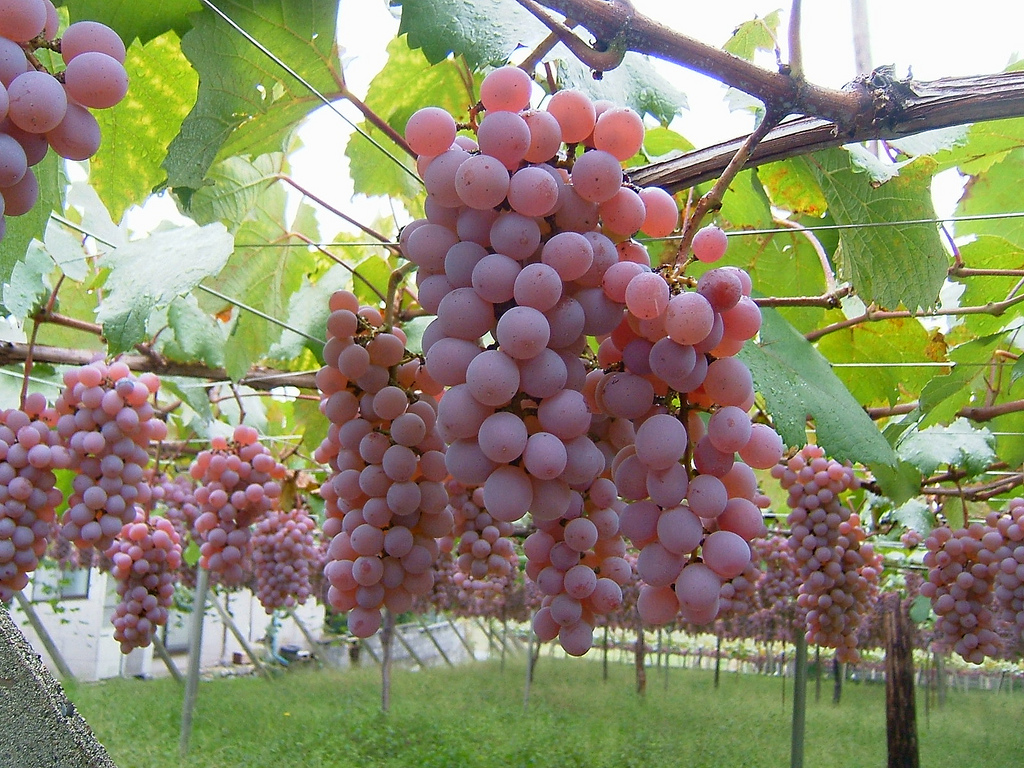
Photo: genta_hgr / Wikimedia Commons / CC BY 2.0
For travelers staying overnight around Lake Kawaguchiko, the most elegant way to end the day is often not another restaurant stop, but a carefully paced ryokan or hotel dinner. Kaiseki-style courses, seasonal vegetables, freshwater fish, local beef, delicate broths, and a glass of Koshu wine can turn the evening into a quiet continuation of the landscape.
Why it belongs in your itinerary
- Connects the Fuji Five Lakes trip with broader Yamanashi food culture.
- Gives luxury travelers a more polished dinner option after casual daytime meals.
- Koshu wine can pair naturally with Japanese courses and seasonal ingredients.
- Staying overnight makes the trip feel less rushed than a same-day return to Tokyo.
- Creates a graceful finish after sunset, onsen, or a private lakeside stay.
Best time to visit
A simple gourmet route around Lake Kawaguchiko
Late morning: Start with a quiet lakeside walk or a Mt. Fuji viewpoint. Lunch: Eat hoto near Lake Kawaguchiko or Yoshida udon in Fujiyoshida. Afternoon: Visit Oishi Park and Fuji Oishi Hanaterrace for sweets, coffee, and souvenirs. Evening: Return to your ryokan, villa, or hotel for a slower dinner with local ingredients and, if available, Koshu wine.
- Hoto noodles
- Yoshida udon
- Yamanashi sweets
- Lakeside cafes
- Koshu wine
Practical notes for international travelers
- Carry some cash. Smaller local restaurants may not accept every card or mobile payment.
- Lunch matters. Several local noodle shops are strongest at lunchtime and may close earlier than expected.
- Check same-day hours. Rural and lakeside businesses can change schedules by season, weather, or sold-out inventory.
- Ask about ingredients. Hoto and udon broths may include fish-based stock; vegetarian travelers should confirm before ordering.
- Do not overpack the day. The Fuji Five Lakes region is best enjoyed with space between stops.
Food around Mt. Fuji is not about chasing the most elaborate meal. It is about matching the right flavor to the right moment: hot noodles after a clear morning, sweets beside the lake, coffee when the mountain light changes, and a quiet dinner when the day slows down.
Image credits
- Hoto noodles: Jungle / Wikimedia Commons / CC BY-SA 3.0
- Yoshida udon: Ocdp / Wikimedia Commons / CC0
- Shingen mochi ice cream: Sashimi02224 / Wikimedia Commons / CC BY-SA 4.0
- Katsunuma vineyard: genta_hgr / Wikimedia Commons / CC BY 2.0


“We planned one warm hoto lunch instead of trying to eat everything in one day. It made Kawaguchiko feel slower, more local, and much easier to remember.”