Information checked: July 13, 2026, 15:15 JST.
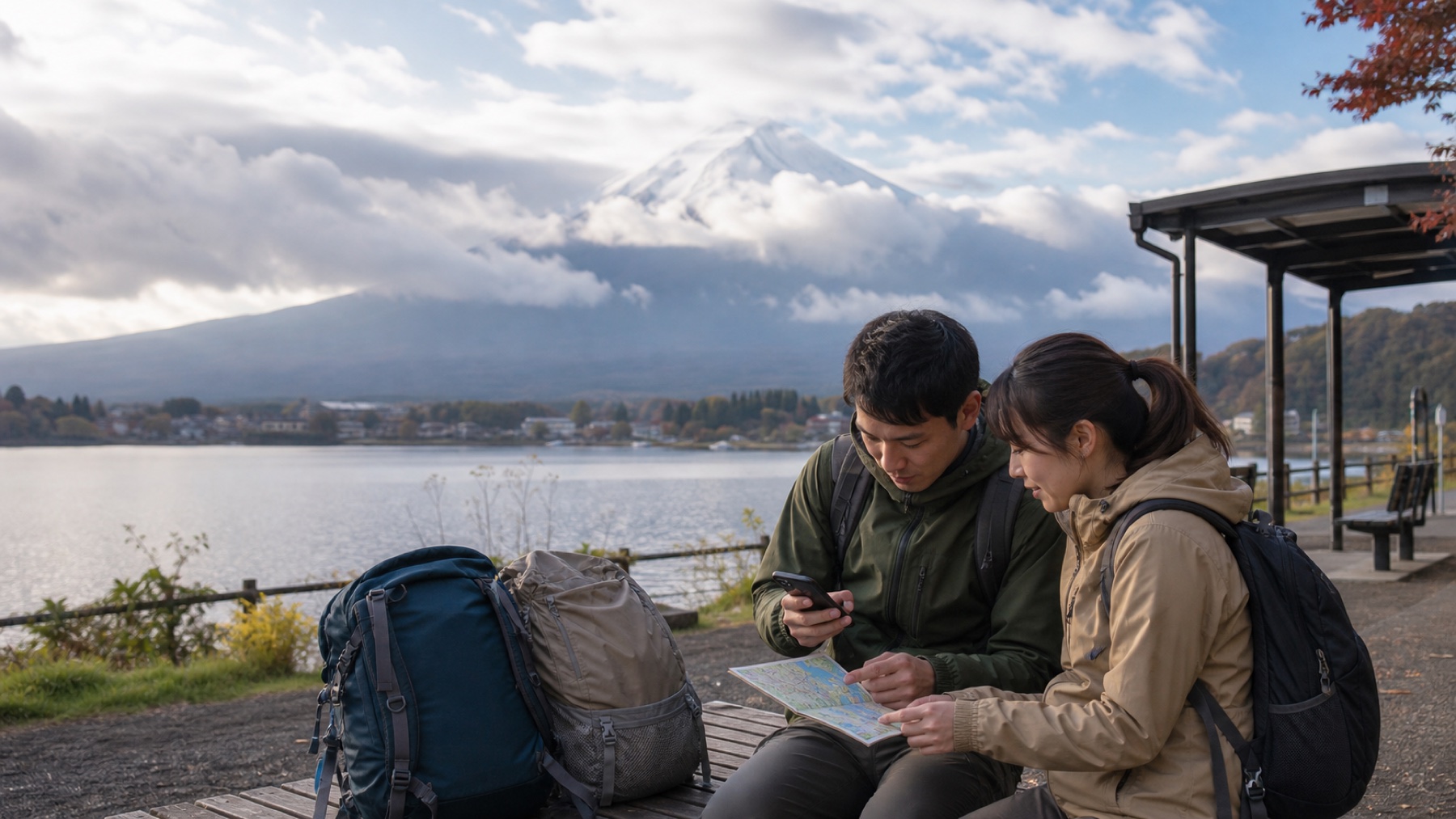
Mt. Fuji weather can change faster than a lake itinerary. Before leaving Kawaguchiko for a climb, a 5th Station visit, or a sunrise plan, travelers should check warnings, trailhead conditions, and volcanic alert information from official sources.
Short answerThe official Mt. Fuji climbing weather page tells climbers to check forecasts before starting, avoid action when warnings or advisories are issued, and pay attention to volcanic alert levels.
Key Facts For Travelers
Best timingCheck before leaving your hotel, then again at the trailhead.
Warning ruleIf warnings or advisories are issued, do not continue as planned.
Common riskThunderstorms are common on Mt. Fuji in summer.
Volcano noteMt. Fuji is active; monitor volcanic alert levels.
What To Check
Use the official weather page as a starting point, then check the Japan Meteorological Agency warning pages for Yamanashi or Shizuoka depending on your route. For Yoshida Trail planning, also look at 5th Station temperature and local live camera information before committing to the climb.
Who Is Affected
- Climbers starting from Lake Kawaguchiko, Fujiyoshida, or Tokyo.
- Visitors taking a 5th Station bus who may still face wind, rain, or visibility issues.
- Travelers with a tight same-day return schedule and no backup plan.
What To Do If Conditions Look Bad
- Cancel or delay the climb if the forecast is clearly unsafe.
- Use a lake day, museum, cafe, onsen, or local food plan as the backup.
- Carry rain gear and warm layers even when the lake area feels mild.
- If the volcanic alert level changes while climbing or descending, follow official guidance and descend.
Official Sources
- Official Website for Mt. Fuji Climbing: Weather conditions at Mt. Fuji
- Official Website for Mt. Fuji Climbing
Update History
- July 13, 2026: Created after checking the official Mt. Fuji climbing weather page.