Information checked: September 16, 2026, 8:36 AM JST.
International visitors driving rental cars in Fujiyoshida need to account for Japan’s new default speed rule on many narrow local roads. Since September 1, 2026, the statutory maximum on qualifying roads without a center line or traffic lanes is 30 km/h instead of 60 km/h.
Key Facts For Travelers
How To Recognize The Changed Roads
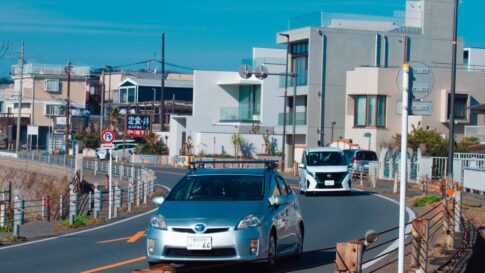
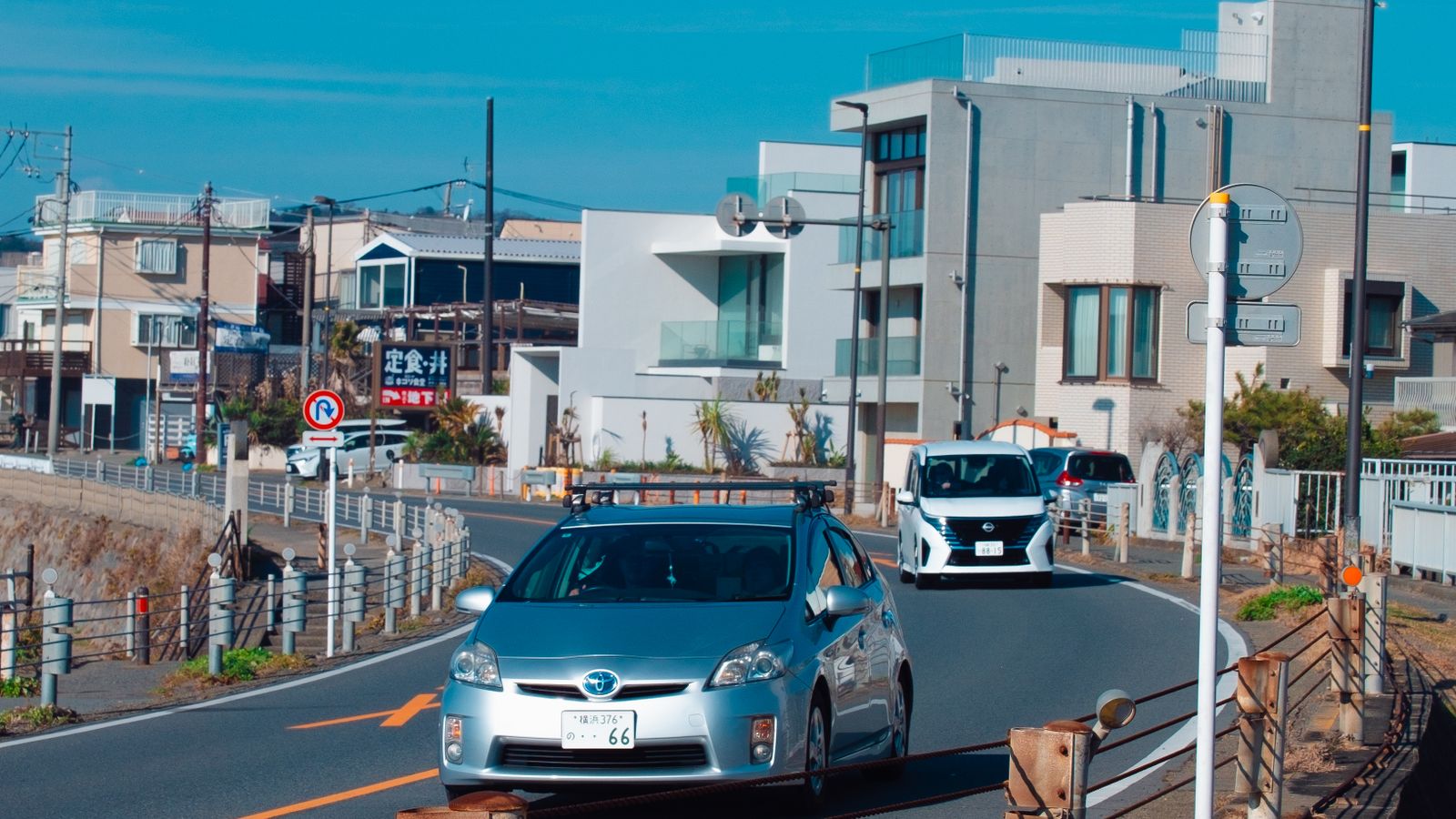
Fujiyoshida City describes the affected streets as local roads used in daily neighborhood life, generally narrow and without a center line or median. Streets lined with homes and shops, school routes, and winding neighborhood roads deserve particular attention.
Do not decide the limit only from road width or what the navigation app displays. Look for a center line, lane markings, physical separation, and speed signs. If a sign sets 30 or 40 km/h, that displayed limit remains the legal maximum for that section.
Roads Not Automatically Reduced To 30 km/h
The National Police Agency says the statutory 60 km/h category continues for ordinary roads with a center line or marked traffic lanes, roads where opposing directions are physically separated, expressways, and motor-vehicle-only roads. This does not mean 60 km/h is always safe or permitted: a lower posted limit still applies.
The September change is national, so the same classification matters when a Fuji Five Lakes itinerary crosses into another municipality. Rental-car drivers should expect the rule on quiet access streets near accommodation, shops, stations, and residential sightseeing areas rather than treating it as a Fujiyoshida-only traffic measure.
Drive For Pedestrians, Cyclists, And Visibility
The city highlights the sharp increase in pedestrian fatality risk above 30 km/h. Around the Fuji Five Lakes, visitors may encounter children, cyclists, people photographing Mt. Fuji, and pedestrians stepping from narrow property entrances where sightlines are short.
A legal maximum is not a target speed. Slow further for rain, darkness, fog, crowds, parked vehicles, blind bends, school routes, and any street where pedestrians share the roadway.
Traveler Actions
- Assume 30 km/h on an unposted local road without a center line until the road classification is clear.
- Follow posted limits and temporary restrictions even when they differ from the statutory default.
- Do not rely only on a rental car’s navigation display; watch physical signs and road markings.
- Slow below the maximum for pedestrians, cyclists, rain, fog, darkness, and blind corners.
- Ask the rental company or local police if a road category is unclear rather than guessing.
Official Sources
- Fujiyoshida City official notice: September 1 start, local-road description, and pedestrian-safety reason
- National Police Agency official guide: affected roads, unchanged road categories, posted-limit priority, and statutory basis
Update History
- September 16, 2026: Created from Fujiyoshida City’s current road-safety notice and the National Police Agency’s September 1 rule guide; affected roads, exclusions, and sign priority checked.