Information checked: September 21, 2026 at 8:36 AM JST.
Fujiyoshida City’s 2026 Autumn National Road-Safety Campaign starts Monday, September 21 and continues through Wednesday, September 30. The city highlights pedestrian visibility, earlier headlight use, distraction-free driving and cycling rules as daylight shortens.
Key Facts For Travelers
What The September 21–30 Campaign Means
Fujiyoshida lists four campaign priorities: protecting pedestrians and encouraging reflective materials; switching car headlights on earlier while eliminating drink-driving and phone distraction; following bicycle and small-mobility rules; and preventing crashes involving older drivers.
The city notice does not announce a blanket road closure, detour or special visitor permit. Treat it as a timely cue to slow the itinerary down around dusk, allow extra time for narrow streets and expect road-safety awareness activity during the ten-day period.
Rental-Car Drivers: Check The Road, Not Just The Navigation App
Since September 1, the statutory speed limit on many residential roads in Japan has been reduced from 60 km/h to 30 km/h. Yamanashi Prefectural Police describes residential roads as roads mainly used in residents’ daily lives. Narrow neighborhood streets without a center line are the main situation visitors should recognize.
This is not a universal 30 km/h limit for every street. A posted speed sign remains controlling, and the police list exceptions including general roads with a center line or traffic lane, directionally separated roads, expressways and motor-vehicle-only roads. Drive below the applicable limit when weather, visibility or pedestrian activity requires it.
Walking And Cycling After Sunset
The city’s notice emphasizes reflective materials for pedestrians and early light use as sunset arrives sooner. Walkers should use marked crossings where available, make their intention to cross clear and avoid assuming that a driver has seen them on an unlit side street.
Cyclists should use a working front light, follow traffic rules and wear a helmet. Bright or reflective clothing is especially useful on lakeside and neighborhood roads where street lighting can be limited.
Why The Timing Matters
National Police Agency analysis for the 2026 campaign says traffic deaths tend to rise from autumn toward year-end. It also reports a marked increase in serious nighttime pedestrian casualties from October and more fatal crashes around twilight from October onward. The campaign begins before that seasonal risk intensifies.
For a Fuji Five Lakes day trip, the practical response is simple: finish photo stops before visibility drops, switch lights on early, put phones away while moving and avoid compressing the return drive into an unrealistic schedule.
About The Featured Image
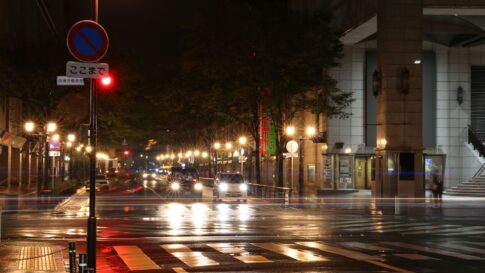
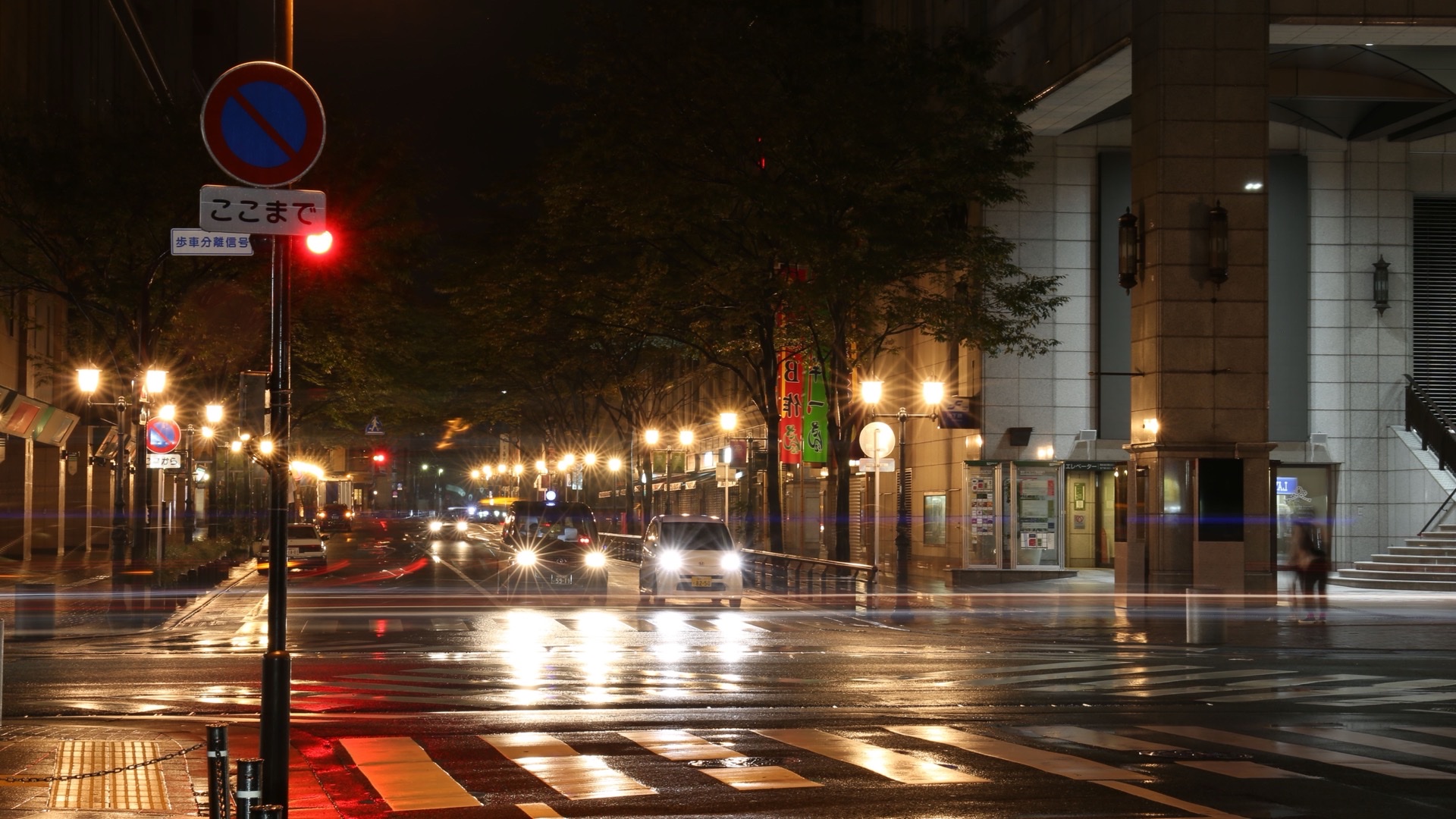
The featured photograph is a Pexels image illustrating headlights, a pedestrian crossing and night visibility on a Japanese street. It was not taken in Fujiyoshida and does not show a campaign checkpoint or local road condition.
Traveler Actions
- Allow more travel time around sunset instead of rushing between stops.
- Turn headlights on early and keep phones out of use while driving or cycling.
- Check posted limits; expect a 30 km/h default on many narrow residential roads without a center line.
- Use marked crossings and wear bright or reflective items after dark.
- Use a working bicycle light and wear a helmet when cycling.
Official Sources
- Fujiyoshida City: 2026 Autumn National Road-Safety Campaign dates and priorities
- Yamanashi Prefectural Police: residential-road 30 km/h rule and exceptions
- National Police Agency: 2026 autumn campaign period and national priorities
- National Police Agency: 2026 campaign traffic-accident analysis
Update History
- September 21, 2026: Created for the campaign’s opening day from current Fujiyoshida City, Yamanashi Prefectural Police and National Police Agency information; no road closure or enforcement checkpoint is asserted.