Cultural Day Trips Near Mt. Fuji: Oshino Hakkai, Chureito Pagoda, and Sacred Shrines
A respectful route through spring water, pagoda views, and Fuji faith
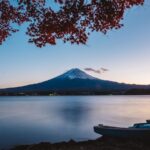
The Mt. Fuji area is not only a landscape for photographs. It is also a cultural region shaped by spring water, pilgrimage routes, shrines, seasonal festivals, and local communities living under the mountain.
For international visitors, the most rewarding day trips are the ones that balance beauty with respect: arrive early, move quietly, avoid private property, and remember that many famous views are part of everyday neighborhoods.
1. Oshino Hakkai
Spring water village
The water, thatched roofs, and mountain backdrop make Oshino Hakkai feel timeless, but it can become crowded. Visit early, walk slowly, and treat the ponds as a cultural place rather than a quick photo set.
Why it belongs in your itinerary
- Clear spring water: the ponds show the hidden hydrology of Mt. Fuji.
- Year-round appeal: winter can bring especially sharp Fuji views.
- Cultural context: the ponds were historically connected to Fuji worship.
Best time to visit
Early morning before tour groups arrive.
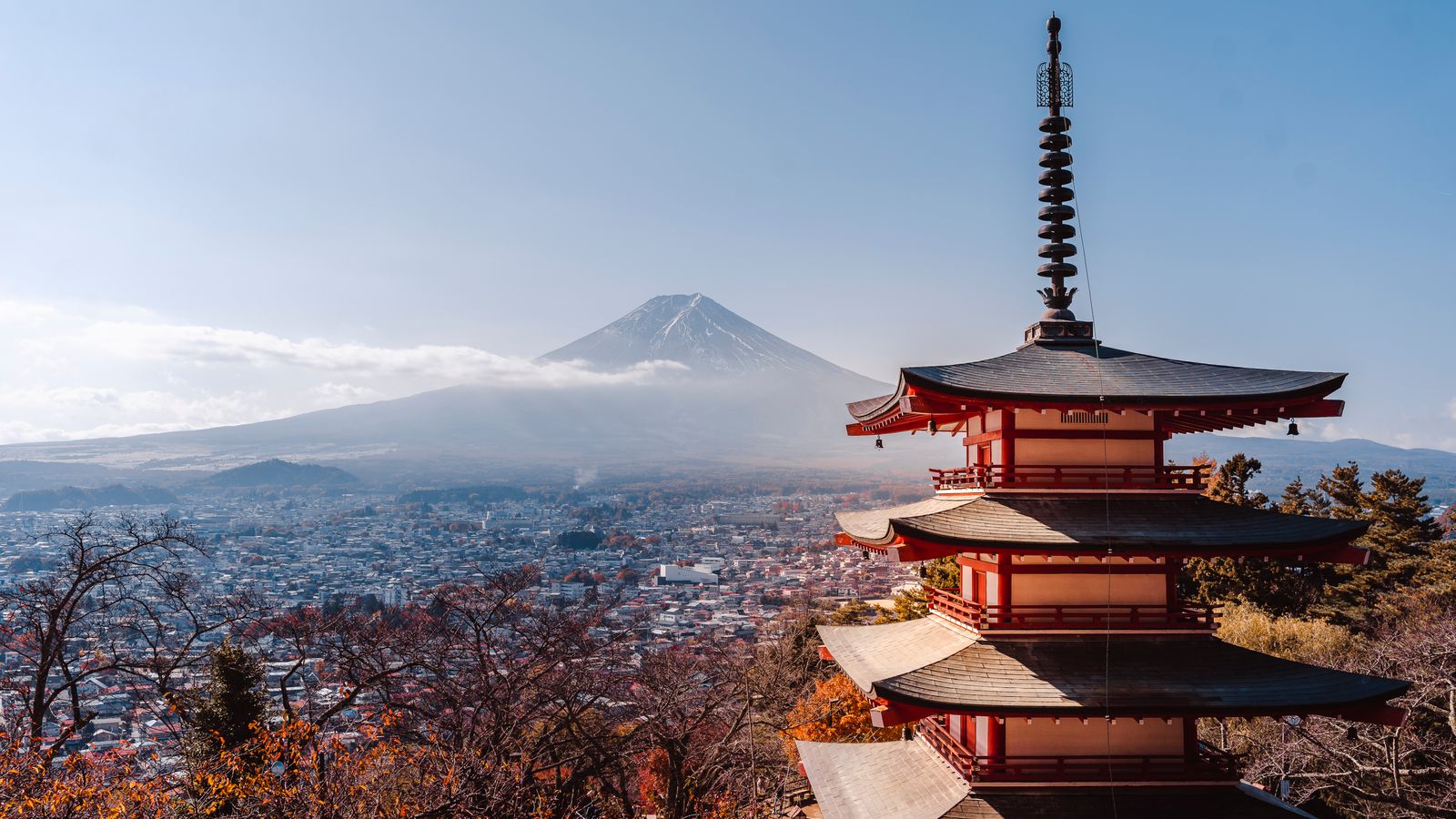
2. Arakurayama Sengen Park and Chureito Pagoda
Iconic viewpoint
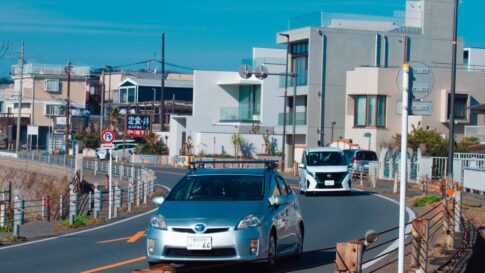
The view is famous for a reason, but the area has also faced heavy seasonal pressure. Keep to marked paths, respect traffic rules, and avoid treating residential streets as a photo studio.
How to visit respectfully
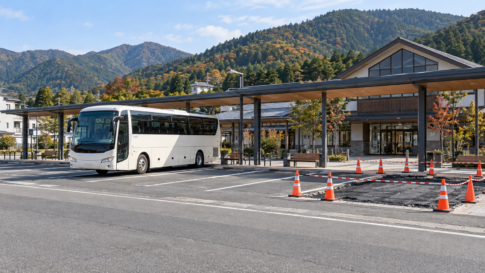
- Use public transport: Shimoyoshida Station is the natural access point.
- Expect stairs: the observation deck requires a real climb.
- Seasonal rules matter: spring traffic and parking restrictions can change visitor flow.
Best time to visit
Morning on weekdays, or autumn for a calmer seasonal view.
3. Kawaguchi Asama Shrine and Fuji Faith
Sacred landscapeAdding a shrine stop changes the tone of a trip. It creates a quieter counterpoint to crowded viewpoints and helps visitors understand Mt. Fuji as more than scenery.
A respectful way to include it
- Move quietly: shrines are active religious spaces.
- Do not rush: allow time for cedar trees, paths, and small details.
- Pair thoughtfully: combine with north-shore walking or Oishi Park rather than forcing too many stops.
Best time to visit
Late morning or late afternoon, between busier viewpoint hours.
Cultural travel note
The best Mt. Fuji day trips are not only about visibility. They are about pacing, respect, and letting the mountain sit inside a wider cultural landscape.
- Oshino Hakkai
- Chureito Pagoda
- Fuji culture
- Respectful travel
Official information and photo credits
- Official information: Yamanashi Official Travel Guide: Oshino Hakkai
- Official information: Official Fujiyoshida Travel Guide: Arakurayama Sengen Park
- Photo: 663highland / Wikimedia Commons / CC BY-SA 4.0
- Photo: Supanut Arunoprayote / Wikimedia Commons / CC BY 4.0