Fuji Tram Explained: What Yamanashi’s New Mt. Fuji Access Plan Could Mean for Travelers
A traveler-friendly explainer on the proposed rubber-tire tram concept
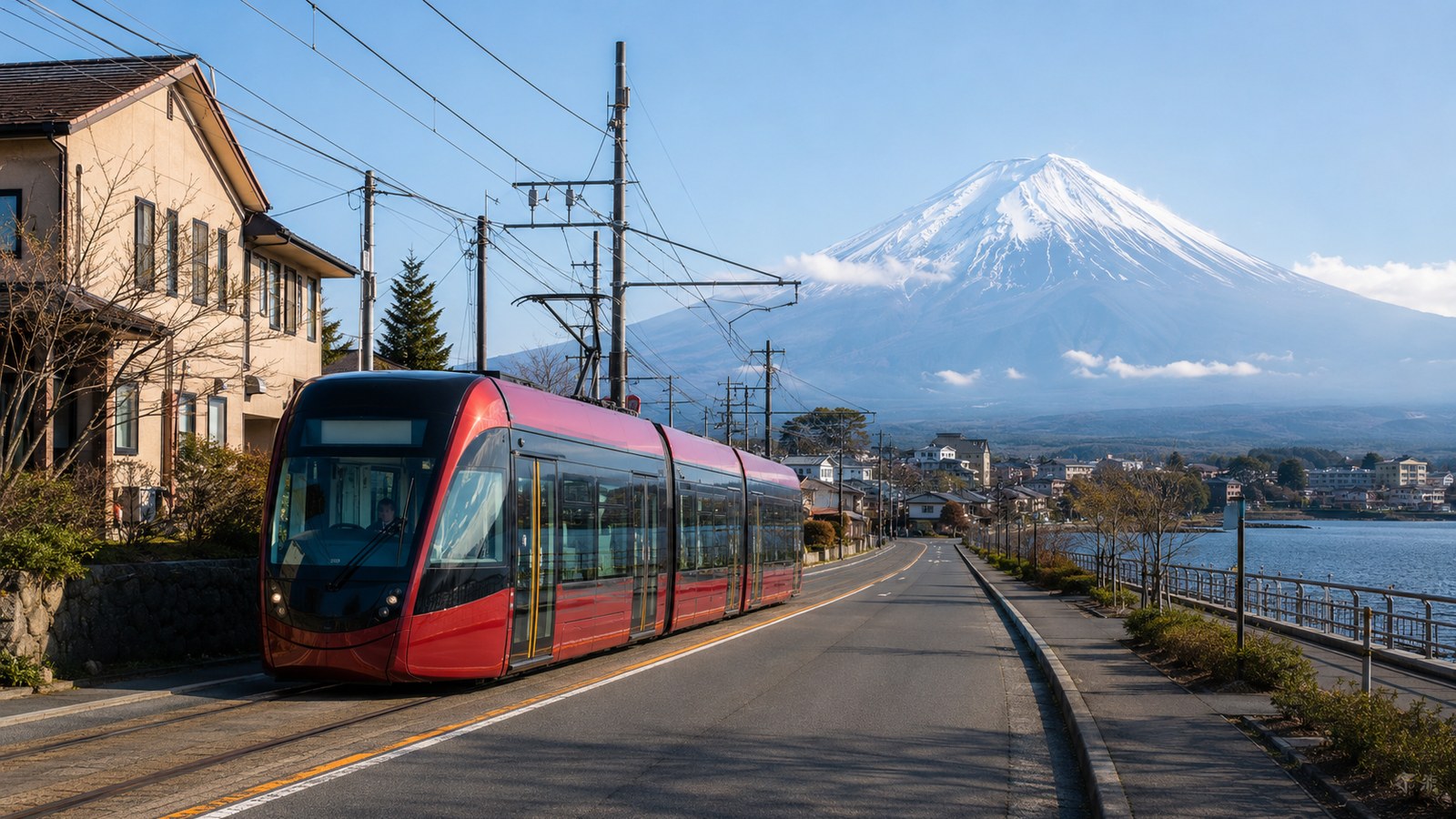
The “Fuji Tram” is one of the most important future-access stories around Mt. Fuji. It is not a service travelers can ride today, but it may shape how future visitors reach the 5th Station.
Yamanashi Prefecture explains that the idea evolved from the Mt. Fuji Railway concept toward a rubber-tire tram proposal, designed to balance access, visitor control, and environmental protection.
1. It is a proposal, not a current route
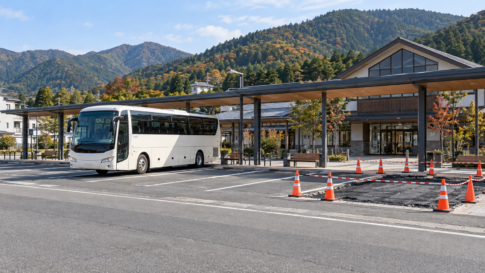
Future access
Photo: Alpsdake / Wikimedia Commons / CC BY-SA 4.0
Travelers should not plan around the Fuji Tram yet. But the debate signals where Mt. Fuji tourism is heading: access will be managed more carefully, not simply expanded endlessly.
What it suggests
- Fewer private-car assumptions on the mountain road.
- More controlled visitor flow toward the 5th Station.
- Stronger focus on conservation as tourism demand grows.
2. Why locals are watching closely
Access vs. protectionThe Mt. Fuji region is not only a scenic backdrop for visitors. It is home to residents, forests, roads, shrines, businesses, and a World Heritage landscape.
The real tension
- Visitors want easier access to the mountain.
- Residents want daily life protected from traffic and crowding.
- Authorities want safer capacity control during peak periods.
3. What to do as a traveler now
Current planningA future tram may change the experience, but today’s best trip still comes from checking road restrictions, avoiding peak crowding, and staying close enough to move slowly.
Current best practice
- Use public transport when visiting high-demand Fuji spots.
- Stay overnight to avoid day-trip pressure.
- Choose secondary viewpoints when famous sites are overcrowded.
News translation note
Fuji Tram coverage can sound technical in Japanese. For travelers, the simple meaning is this: the future of Mt. Fuji access will likely involve more reservation, capacity, and environmental thinking.
- Fuji Tram
- Future access
- Yamanashi
- Sustainable tourism