How to Check Mt. Fuji Visibility Before Leaving Tokyo
A practical guide to weather, live cameras, and flexible timing
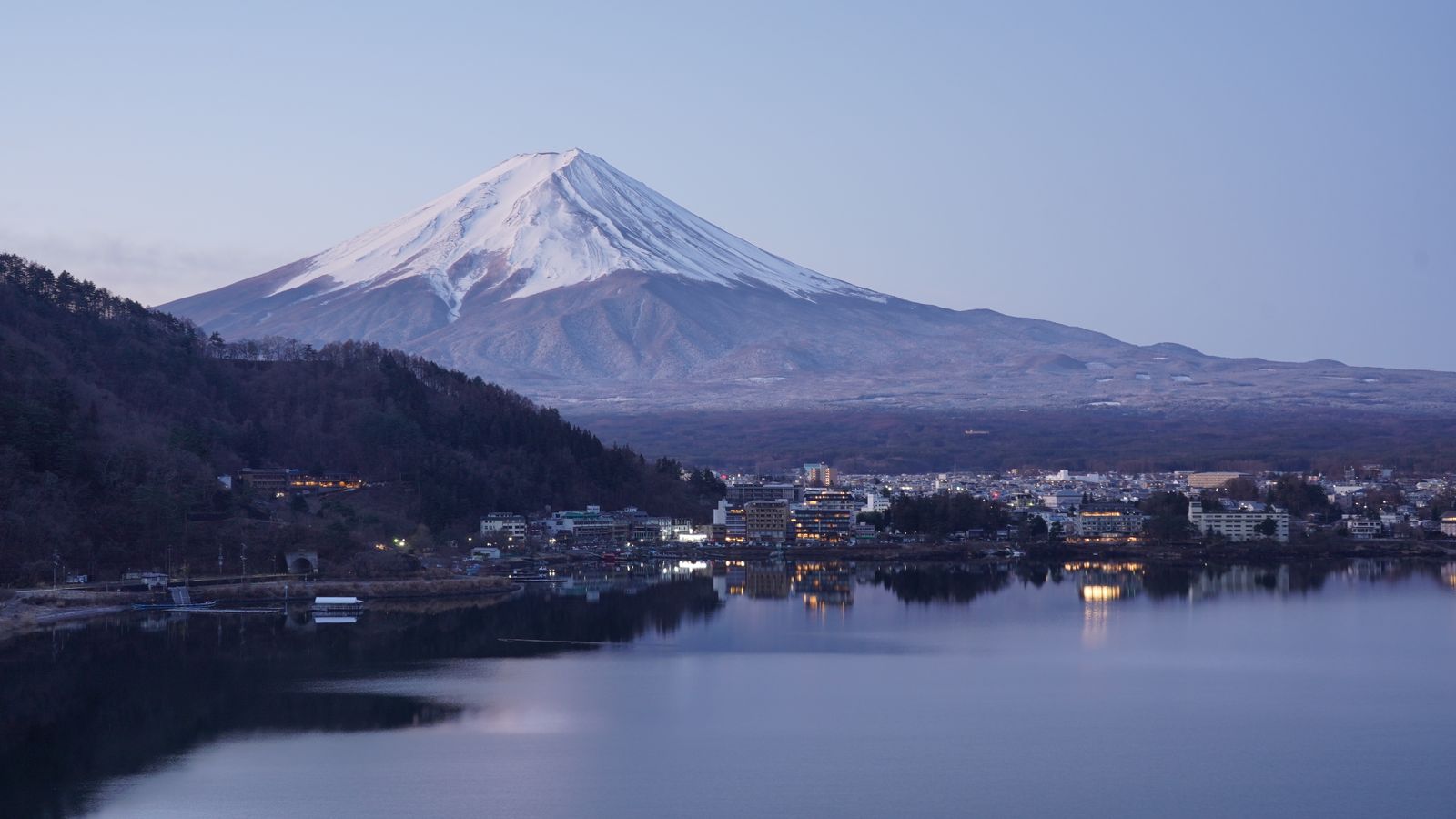
Mt. Fuji visibility is the quiet secret behind every good Kawaguchiko itinerary. The mountain can be perfectly clear at sunrise and completely hidden by late morning.
Instead of treating the view as luck, travelers can check live cameras, weather, cloud patterns, and local timing before committing to a long day trip from Tokyo.
1. Use live cameras first
Real-time check
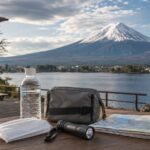
Photo: Alpsdake / Wikimedia Commons / CC BY-SA 4.0
A live camera is better than a generic weather icon. If the mountain is invisible on several cameras, your “Fuji view day” may need to become a museum, cafe, or onsen day.
How to read it
- Check multiple angles rather than one camera.
- Look for cloud height, not only rain.
- Check again after sunrise if you are still in Tokyo.
2. Morning is often the safer bet
Daily rhythmThis is why many refined itineraries start with the view first and move to food, museums, or cafes later. Do not save your main photo stop for late afternoon unless the forecast supports it.
Better sequence
- Start with Oishi Park or the north shore.
- Use the ropeway early if the summit is visible.
- Move indoors later if clouds build.
3. Build a no-Fuji version of the day
Smart fallbackThe travelers who enjoy Kawaguchiko most are not the ones who demand the mountain appear. They are the ones who let the region be beautiful in more than one way.
Fallback ideas
- Rain: Music Forest, Itchiku Kubota Art Museum, or cave stops.
- Clouds: lakeside cafes, Oishi Park, and local food.
- Clear break: stop immediately; Fuji moments can be short.
Visibility note
No website can guarantee Mt. Fuji visibility. But live cameras and flexible route planning can turn disappointment into a better-paced trip.
- Live cameras
- Fuji visibility
- Oishi Park
- Weather planning
Sources and photo credits
- Source: Official Website for Mt. Fuji Climbing
- Source: Official Travel Guide Yamanashi
- Photo: Alpsdake / Wikimedia Commons / CC BY-SA 4.0