Mt. Fuji Volcano and Ashfall Safety: Calm Basics for Visitors
What travelers should know without panic
Mt. Fuji is a sacred symbol, a travel icon, and an active volcano. That does not mean visitors should be afraid. It means visitors should know where official information comes from and what basic actions are recommended.
For most travelers, the practical approach is simple: check official warnings, follow local instructions, and know the difference between normal travel planning and emergency guidance.
1. Check official volcanic warnings
Before climbing
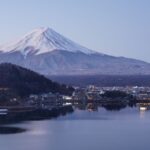
Image: Mt. Fuji Hazard Map Review Committee / Wikimedia Commons / public disaster-prevention material
Do not rely on social media clips or dramatic headlines. For active travel decisions, use official warnings and local government instructions.
Reliable sources
- JMA: volcanic warnings and eruption notices.
- Official climbing site: mountain-specific notices and trail information.
- Local authorities: restrictions, closures, and evacuation instructions.
2. What ashfall guidance means
Practical basicsFor ordinary visitors, the goal is not to become a volcano expert. It is to recognize official alerts, protect breathing and eyes, and move calmly according to instructions.
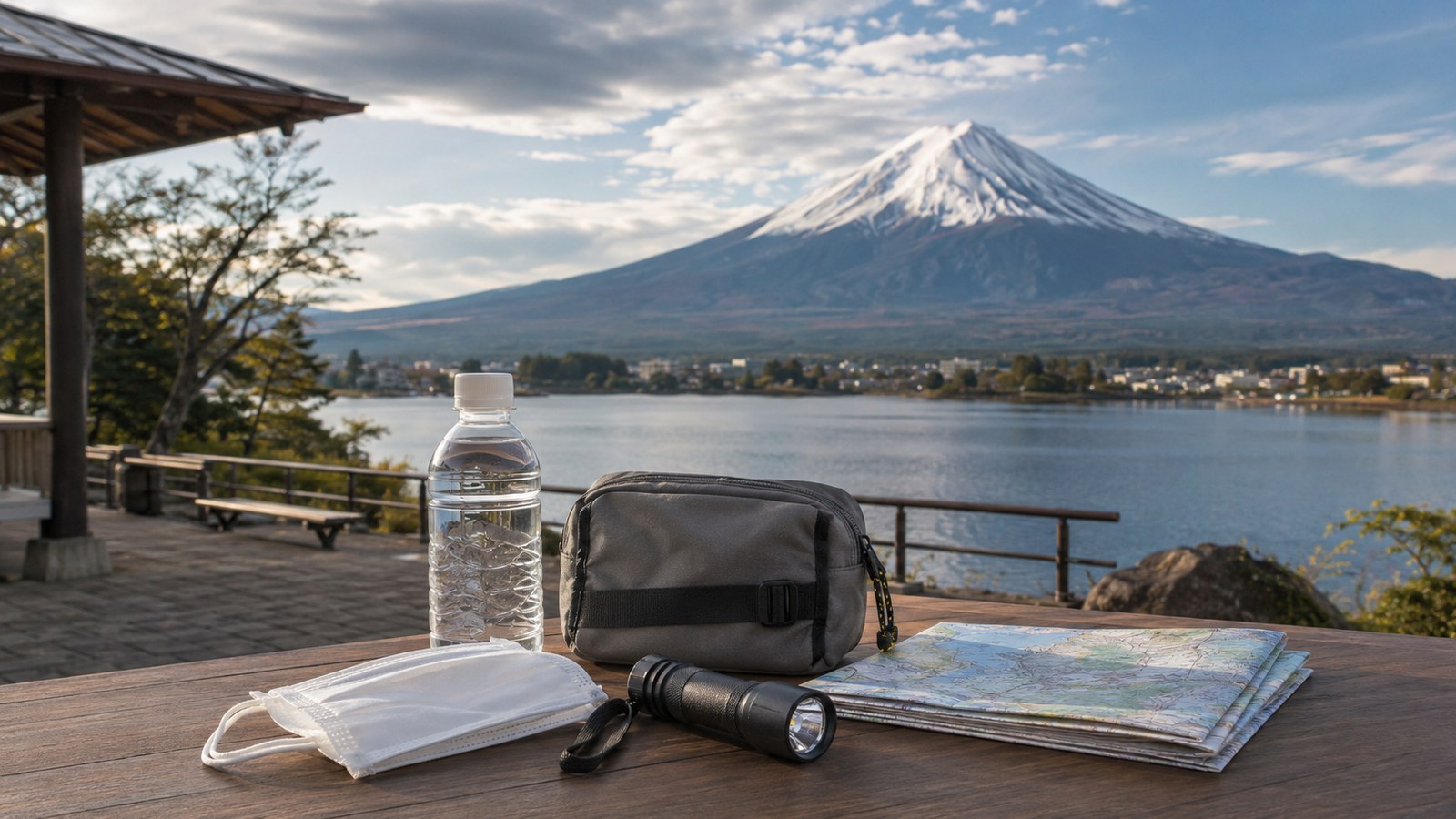
Simple kit ideas
- Mask: useful for dust or ash scenarios.
- Goggles or glasses: eye protection if ash is present.
- Offline maps and battery: helpful if transport is disrupted.
3. Tokyo can be part of the story
Ashfall awarenessThis matters for travelers because a major eruption would be a regional transport and safety issue, not only a mountain issue. Flights, trains, roads, and hotels could all be affected.
Travel response
- Follow hotel and authority guidance before moving.
- Avoid unnecessary travel during official warnings.
- Keep passport, medicine, and phone charged in one reachable bag.
Safety editor note
This article is not alarmist advice. It is a traveler-friendly way to understand official volcanic safety information around Mt. Fuji.
- Volcano safety
- Ashfall
- JMA
- Safe travel
Sources and photo credits
- Source: Japan Meteorological Agency volcanic warnings
- Source: JNTO Safe Travel Information: volcanic warnings
- Source: Tokyo Metropolitan Government Mt. Fuji ashfall information
- Source: Official Website for Mt. Fuji Climbing
- Image: Mt. Fuji Hazard Map Review Committee / Wikimedia Commons / public disaster-prevention material