
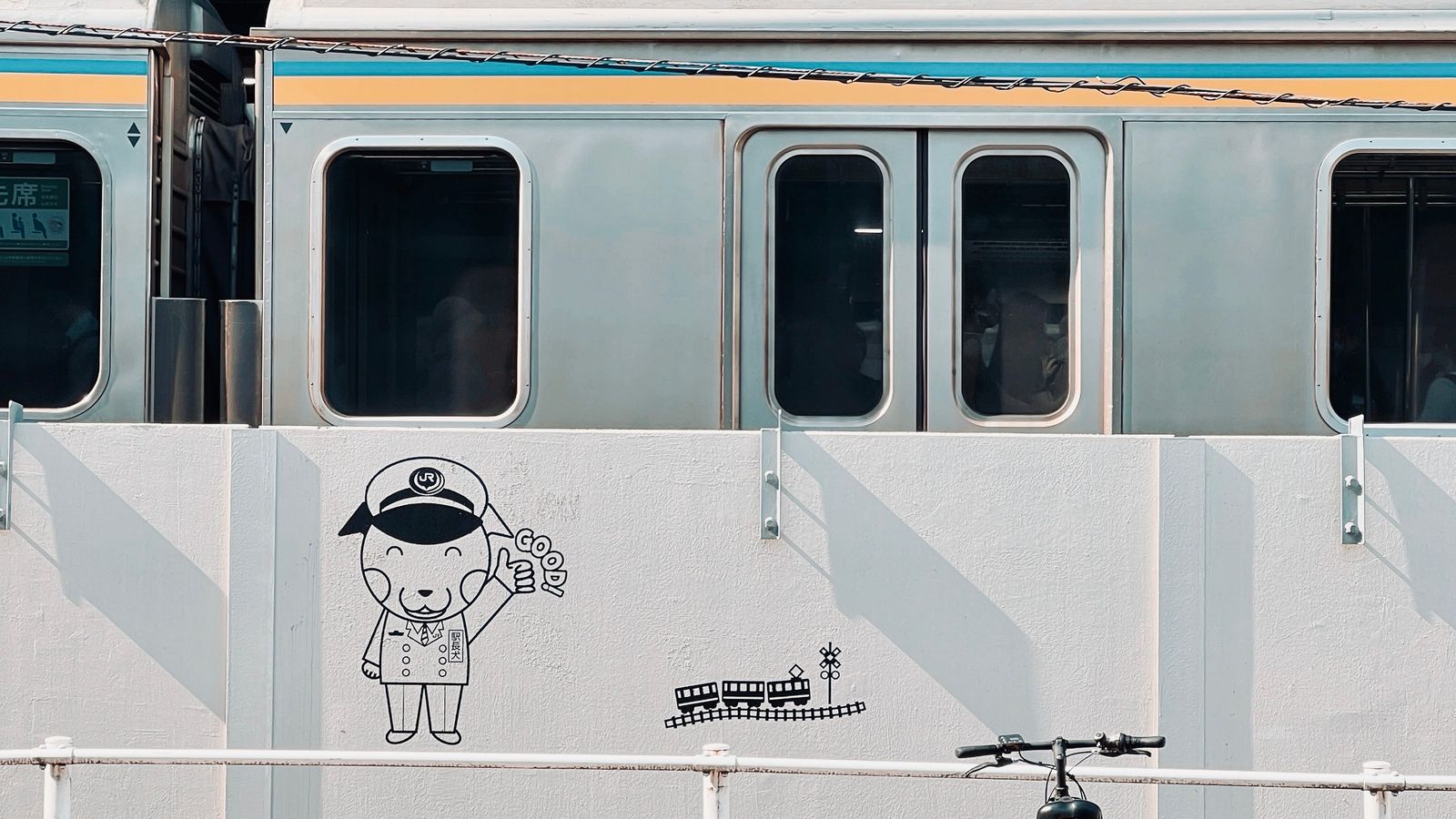
Fuji Five Lakes Local Transport 2026: Trains, Buses, and Car-Free Lake Days
A practical way to move without overplanning
Many visitors think the Fuji Five Lakes area requires a rental car. A car can help, but it is not the only refined way to travel. Around Lake Kawaguchiko, trains, sightseeing buses, local buses, walking paths, and bicycles can combine into a slower, easier day.
The official Fujikawaguchiko transport feature highlights local buses, sightseeing routes, and cycling as ways to enjoy the area while avoiding traffic stress.
Use Kawaguchiko Station as the hinge
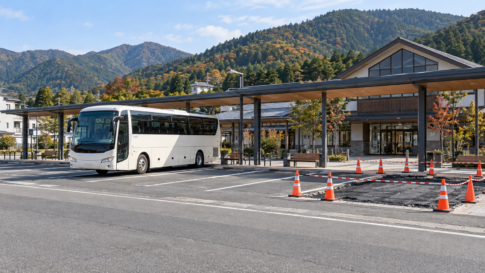
For most first-time visitors, Kawaguchiko Station is the planning anchor. From there, the lake, museums, ropeway area, Oishi Park direction, and bus links become easier to understand.
The mistake is trying to cover too much. A good car-free day usually has one strong theme: north-shore views, museums, a quiet lake route, or food and shopping.
Good day shapes
- Station to north shore, then Oishi Park and a slow cafe stop.
- Station to Music Forest or Itchiku Kubota Art Museum, then lakeside walk.
- Station to Saiko or cave area with a clear return time.
Trains are useful before and after the lake
The train gets you into the Fuji area; local transport shapes the day once you are there. If you arrive from Tokyo, avoid building a tight schedule immediately after arrival, especially during weekends and event periods.
Leave a cushion between your train arrival and the first timed reservation. Kawaguchiko rewards travelers who leave room for weather, photos, and simple delays.
Foreign visitor checklist
- Save offline maps and station names in Japanese and English.
- Carry cash or a backup payment method for smaller stops.
- Check the final bus or train before dinner, not after dinner.
Where bicycles fit
Bicycles can be excellent around parts of the lake, especially when the weather is mild and your luggage is already stored. They are not a replacement for every transfer, but they add freedom between cafes, viewpoints, and lakeside paths.
If rain, heat, or wind changes the day, switch back to buses and indoor stops. The goal is not to prove you can do everything without a car; the goal is to keep the day pleasant.
Use bicycles for
- Short lakeside hops in good weather.
- Photo stops that would be awkward by bus.
- A relaxed half-day when the mountain is visible.
- Local transport
- Kawaguchiko Station
- Sightseeing bus
- Car-free Fuji


“We stopped trying to complete the lake and used the bus as a rhythm. It made the day feel lighter, and we noticed more small places along the water.”