Hoto vs. Yoshida Udon: Which Mt. Fuji Noodle Should Travelers Try First?
Two local noodles, two very different moods
If you only eat one local meal around Mt. Fuji, it will probably be hoto or Yoshida udon. Both are deeply connected to Yamanashi, but they do different jobs in a travel day.
Hoto is warm, broad, and comforting. Yoshida udon is firm, direct, and local in a different way. The right answer depends on weather, appetite, and where your day is based.
Choose hoto for a slow lake meal
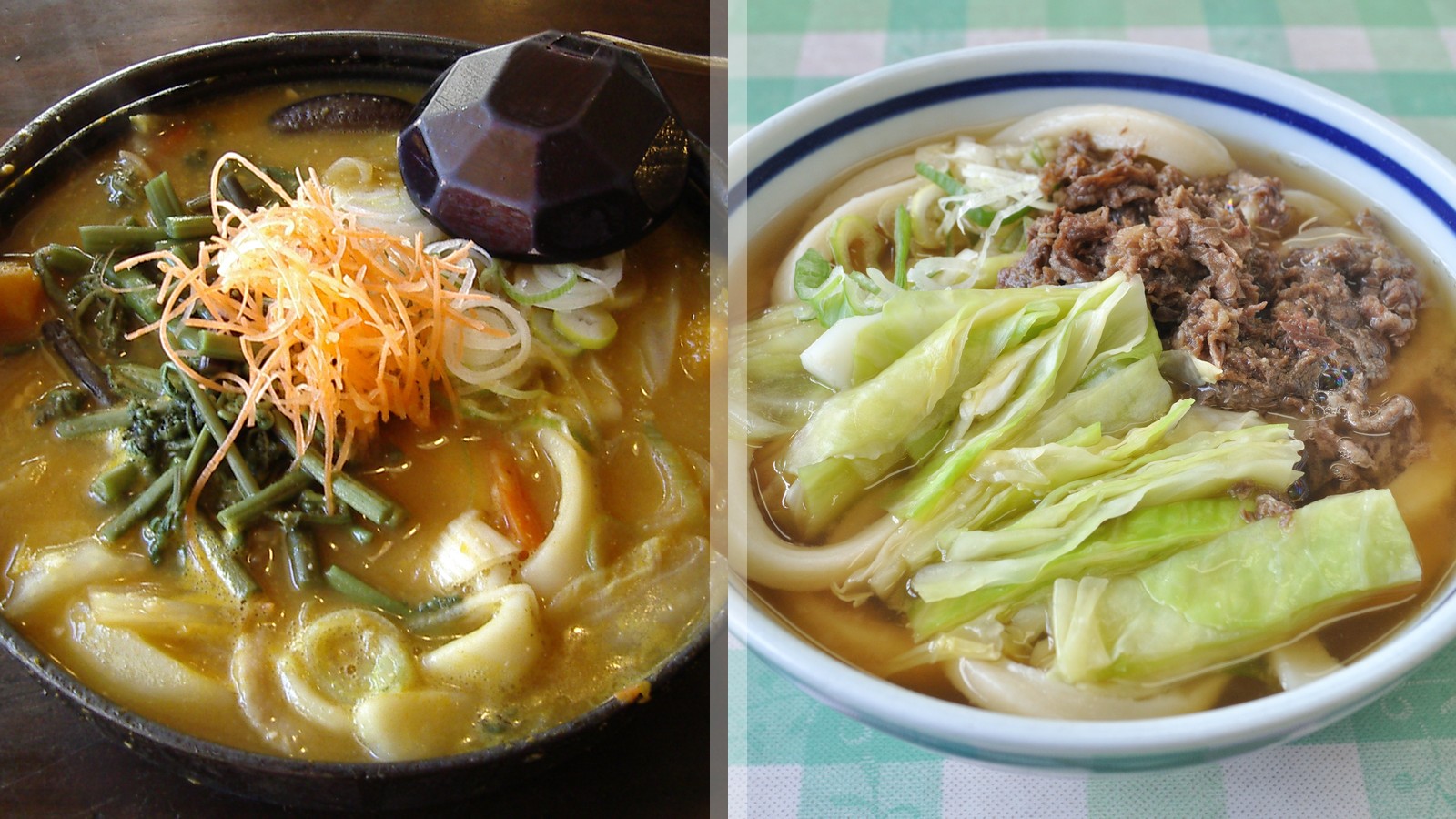
The official Fujikawaguchiko food feature describes hoto as a Yamanashi local dish made with flat wheat noodles, vegetables, and a miso-based soup. It is the kind of meal that suits a cool day, a rainy afternoon, or a relaxed dinner after walking.
For visitors staying around Lake Kawaguchiko, hoto is often the easiest introduction to local food because many restaurants are designed for travelers and groups.
Hoto fits when
- The weather is cool or rainy.
- You want a sit-down meal with a view or a relaxed pace.
- Your group includes people who prefer mild, comforting flavors.
Choose Yoshida udon for a Fujiyoshida day
Fujiyoshida’s official tourism site introduces Yoshida udon as a local specialty known for very firm noodles. It is casual, filling, and strongly tied to the city at the foot of Mt. Fuji.
The experience can feel more local than polished. That is part of the appeal. If your day includes Fujiyoshida, Kitaguchi Hongu Fuji Sengen Shrine, or Arakurayama Sengen Park, Yoshida udon belongs naturally in the route.
Yoshida udon fits when
- You want a quick, local lunch.
- You are already in Fujiyoshida.
- You like chewy noodles and a more direct everyday-food feeling.
Try both if you stay overnight
A two-day Fuji trip gives you room to try both without forcing it. Eat Yoshida udon on a Fujiyoshida shrine or pagoda day, then hoto on a Kawaguchiko lake or rainy-day museum day.
This makes the food part of the geography instead of a random checklist. You learn the area through texture, timing, and where people actually eat.
Simple pairing route
- Day one: Fujiyoshida walk plus Yoshida udon lunch.
- Evening or day two: Kawaguchiko lake day plus hoto.
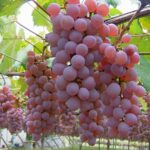
- Add fruit, wine, or a cafe stop if the schedule is relaxed.
- Hoto
- Yoshida udon
- Yamanashi food
- Mt. Fuji lunch
Sources and Credits
Information checked on June 23, 2026 (JST).
- Fujikawaguchiko Tourism: local gourmet and seasonal food
- Visit Fujiyoshida: Yoshida udon as a local specialty
Photos: Wikimedia Commons contributors / CC BY-SA 3.0 and CC0: source / license