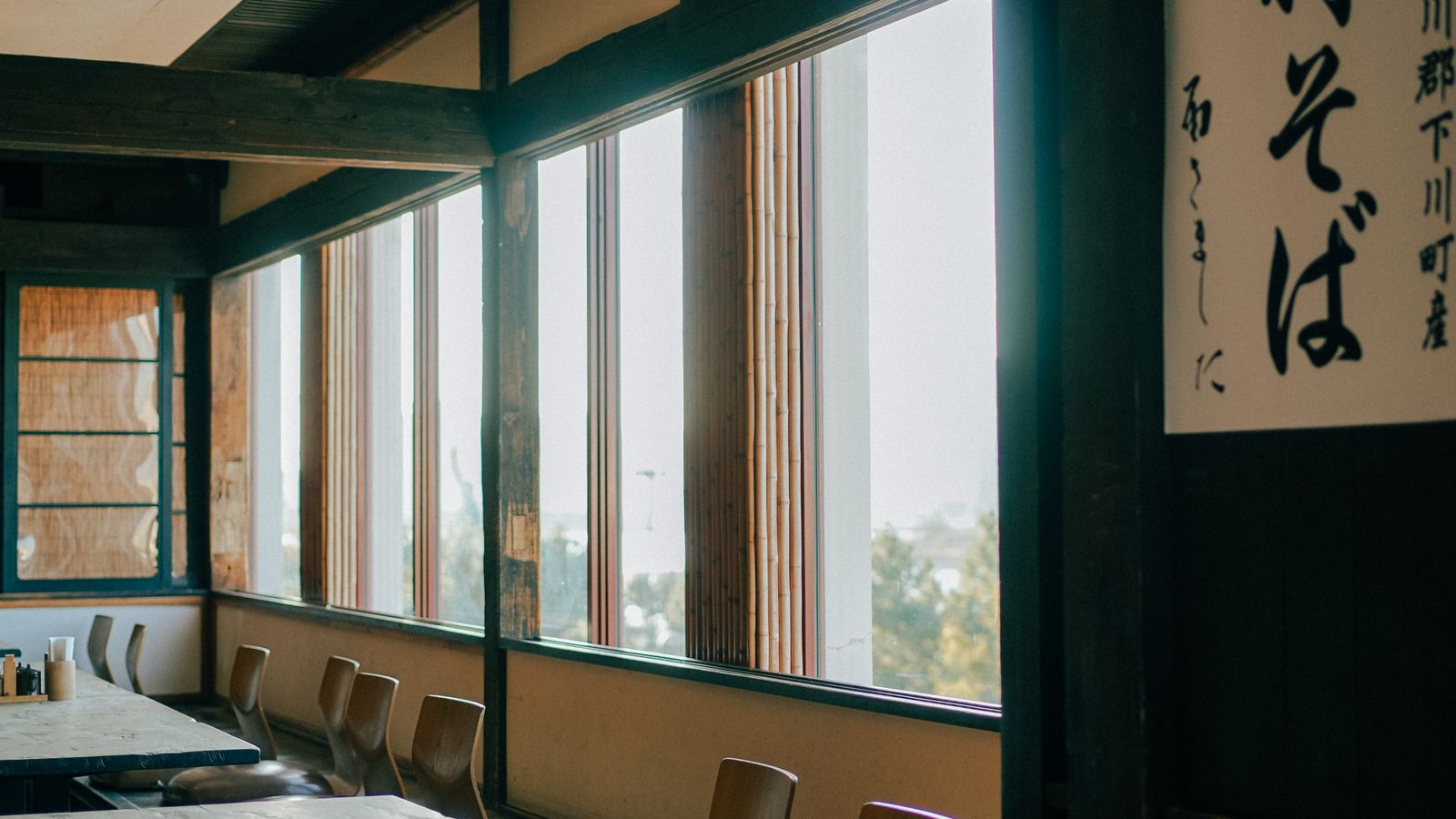
Mt. Fuji Food Timing: Hoto, Yoshida Udon, and Cafe Breaks Without Rushing
How to eat well around Fuji when sightseeing time is limited
Many Mt. Fuji itineraries fail not because the sightseeing is bad, but because meals are placed in the wrong part of the day. Around Kawaguchiko and Fujiyoshida, food works best when it supports the route rather than interrupts it.
Think of hoto, Yoshida udon, sweets, and cafe breaks as timing tools. The right meal at the right moment can make a lake day calmer, warmer, and much easier to enjoy.
Use heavier meals after movement
Hoto is rich, warm, and comforting. It belongs naturally after a lakeside walk, a chilly viewpoint morning, or a day when the mountain has hidden behind clouds.
Yoshida udon has a more direct local-lunch energy. Fujiyoshida’s official tourism site highlights Yoshida udon as a local taste, and it fits well when you are already moving through the city.
Best timing by food type
- Hoto: after a cool morning, cloudy weather, or a longer walk.
- Yoshida udon: a quick Fujiyoshida lunch between shrines, streets, and stations.
- Cafe sweets: mid-afternoon reset when the view is not changing.
- Convenience snacks: backup fuel for buses, ropeway waits, or festival evenings.
Let the route decide the restaurant
Foreign visitors often search for “the best restaurant” before they know the day’s route. Around Mt. Fuji, location matters as much as reputation because buses, weather, and lake distances can change the feeling of a meal.
Choose food that fits where you already are. A good nearby lunch usually beats a famous lunch that breaks the itinerary.
Route examples
- Fujiyoshida morning: Honcho Street, shrine, then Yoshida udon.
- Kawaguchiko north shore: museum or walk, then hoto or cafe.
- Lake evening: lighter dinner before fireworks or traffic restrictions.
Make cafe stops useful
A cafe break is not just dessert. It is a weather check, a phone-charge moment, a chance to confirm the next bus, and a softer way to wait for Mt. Fuji to reappear.
This is especially useful for first-time visitors who are tempted to keep moving whenever the mountain is cloudy. Sometimes the best move is to stop gracefully.
Who should choose this approach
- Families with mixed energy levels.
- Couples building a slower lake day.
- Travelers relying on buses and walking rather than a rental car.
- Hoto
- Yoshida udon
- Mt. Fuji food
- Kawaguchiko cafes
Sources and Credits
Information checked on June 23, 2026 (JST).
Photo: Jungle / Wikimedia Commons / CC BY-SA 3.0