Fuji Five Lakes Travel Guide
A practical Mt. Fuji weather decision guide for climbers and Lake Kawaguchiko visitors: clouds, wind, rain, timing, and safer backup choices.
Separate View Weather From Safety Weather
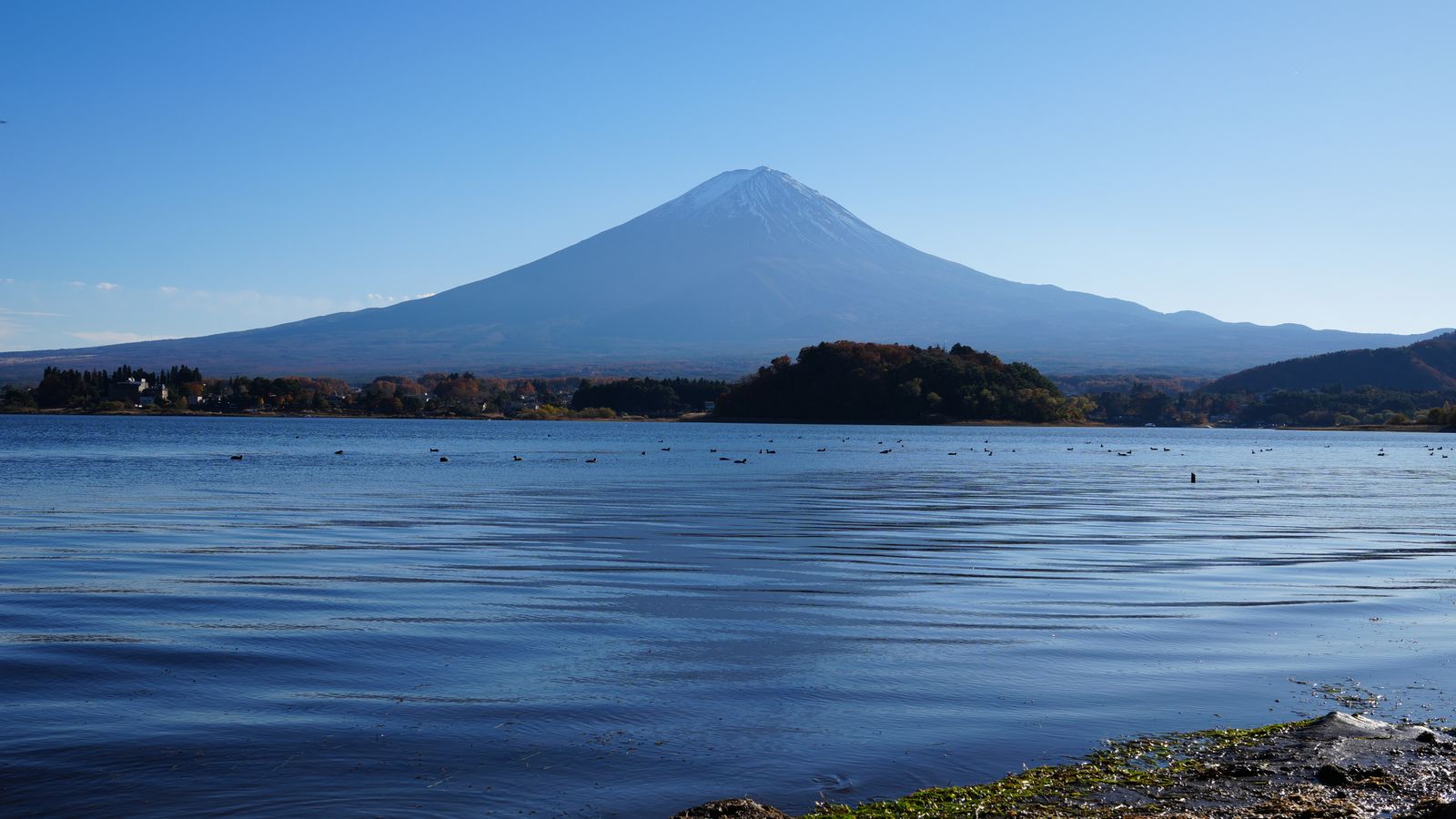
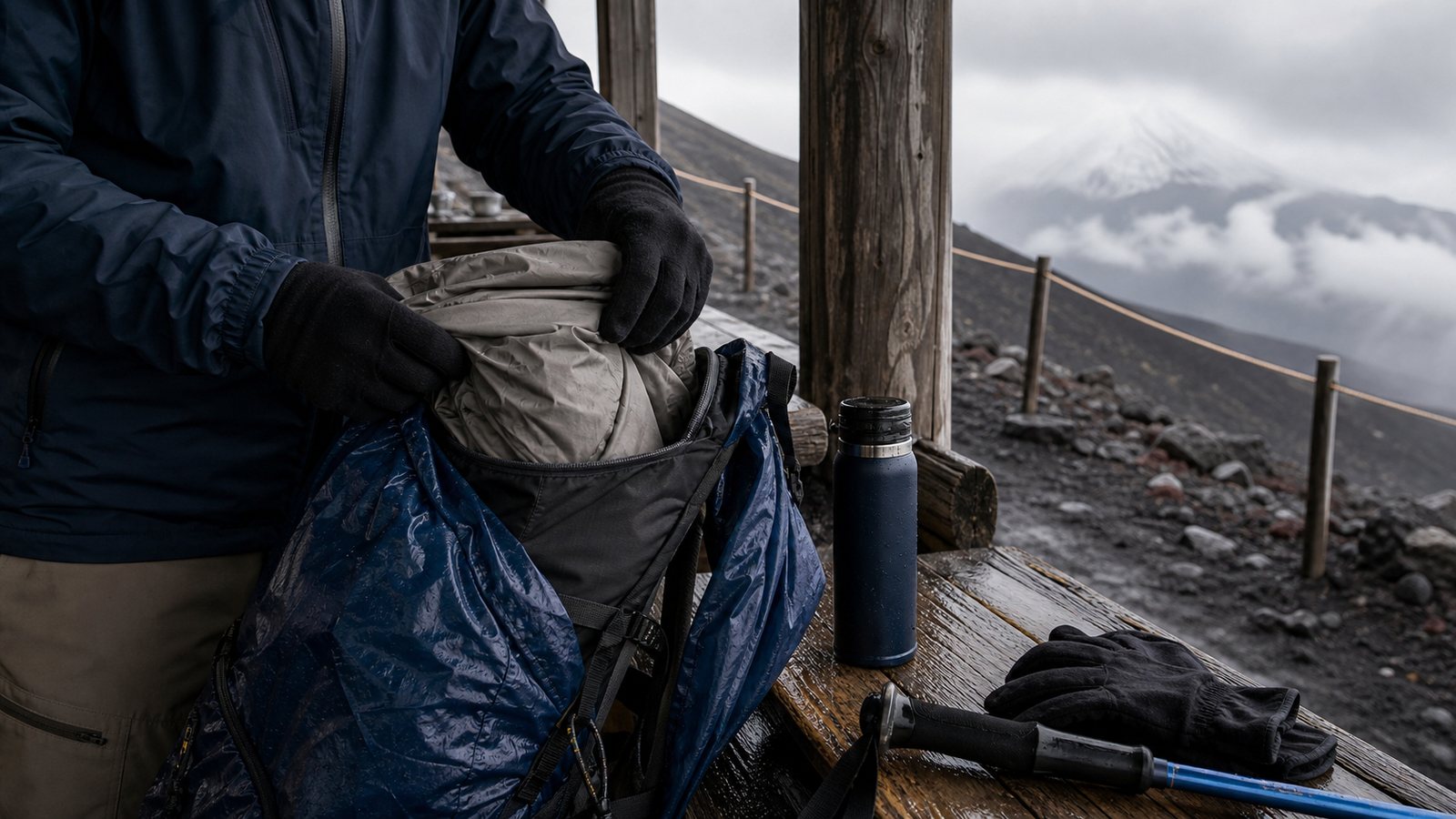
Clouds can hide Mt. Fuji without making the day dangerous. Wind, cold rain, low visibility on trail, fatigue, and darkness are different. For climbers, the decision should be based on safety, not on the emotional pressure of having traveled far.
The official Mt. Fuji climbing guidance emphasizes preparation, weather, gear, and route knowledge. Use those points as the decision frame when the mountain looks uncertain.
- Stop if the route feels unsafe
- Wait only if you have shelter, time, and warmth
- Change plans before exhaustion makes the decision for you
- Never chase sunrise at the cost of safety
For Lake Visitors, Clouds Are A Planning Signal
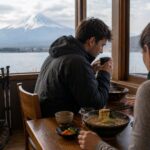
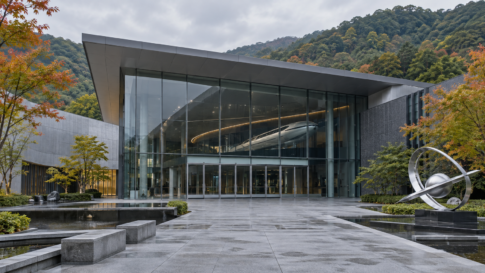
If you are not climbing, clouds simply tell you to reorder the day. Move food, museums, shops, ryokan time, or lake walks forward, then return to the viewpoint if conditions improve.
Build A Turnaround Plan Before Leaving
A good backup is specific. Know where you will eat, where you can rest, and how you will return. This makes it easier to make a calm choice when the weather changes.
FAQ
Is cloudy weather enough reason to cancel Kawaguchiko?
Not always. It may be enough to reorder the day, especially if you have food, museums, or stay plans.
When should climbers turn around?
Turn around when weather, fatigue, cold, darkness, or route conditions reduce safety. The summit is optional; getting down well is not.