Mt. Fuji climbing in 2026 needs more than enthusiasm. Travelers should understand opening dates, route rules, mountain huts, fees, crowd timing, weather, and official updates before booking the climb.
This hub gathers the practical climbing articles for foreign visitors who want a safer and calmer mountain plan.
Start with official status
Before booking flights, huts, train seats, or Kawaguchiko hotels around a climb, check the official opening season, route rules, and access notices. Rules can differ by route and year.
- Confirm the climbing season and trail opening date.
- Choose a route that fits your base and transport.
- Reserve mountain huts early if sunrise is part of the plan.
Plan the climb as a two-day system
For most foreign travelers, a two-day climb with hut rest is easier to manage than a rushed overnight push. It helps with pacing, cold, altitude, and group comfort.
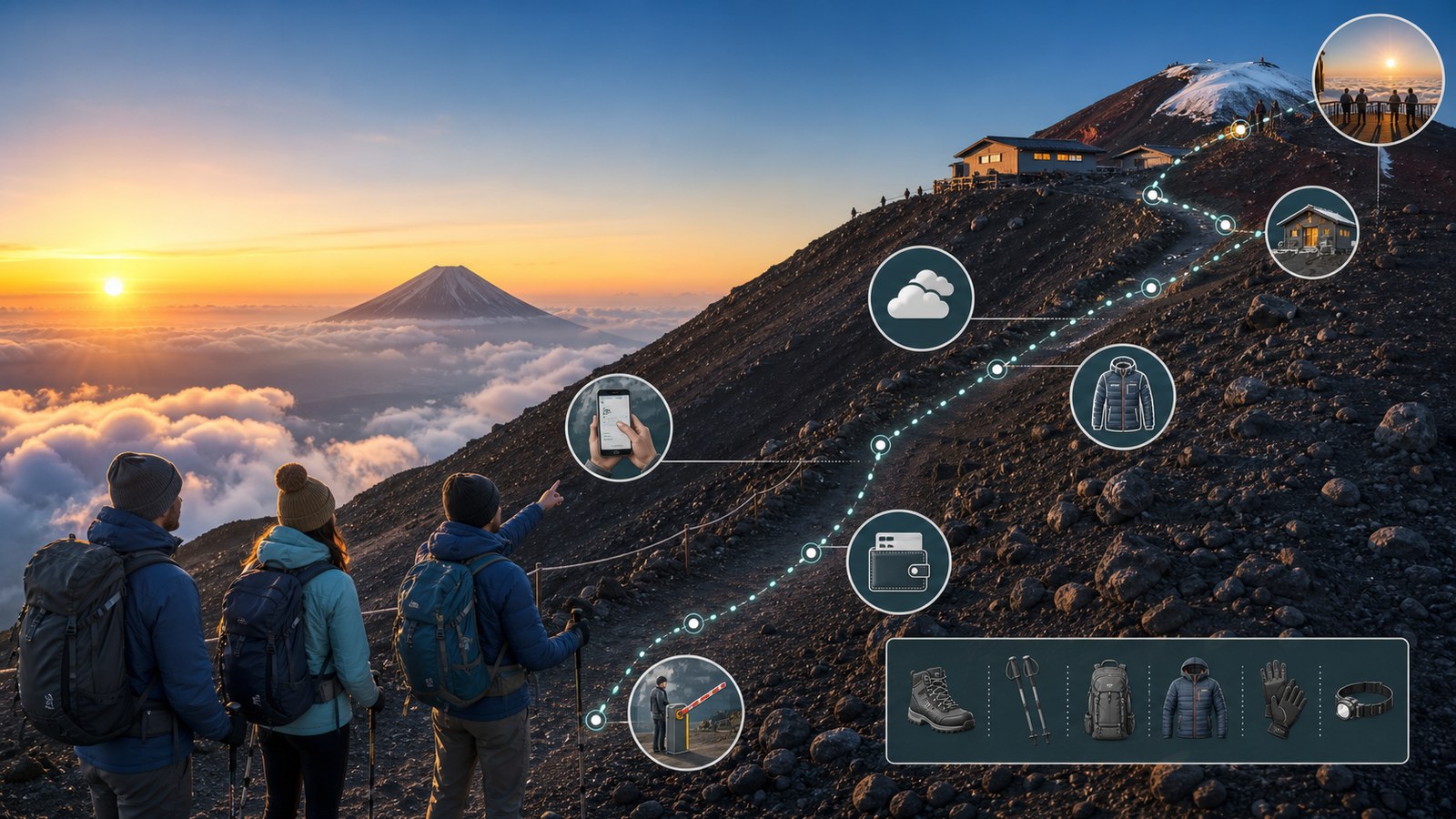
Climber planning order
Climbing Mt. Fuji works best when official rules, route choice, hut plans, and weather checks come before sightseeing details.
Sample two-day climbing timetable
This is a planning rhythm, not a universal schedule. Adjust it around your trail, hut check-in time, transport, weather, and official route rules. The goal is to avoid turning Mt. Fuji into a rushed overnight transfer.
Choose the route by travel base
Foreign visitors often search for the easiest trail, but the better question is which route fits the night before, the descent, and the next day. Route choice is a logistics decision as much as a fitness decision.
Official checks before booking
As of June 27, 2026, the official Mt. Fuji climbing information points travelers toward route-specific opening periods, the 4,000 yen climbing fee, gate-time rules, and Shizuoka-side FUJI NAVI registration. Recheck these pages close to departure because weather and facility notices can change.
- SeasonYoshida and Subashiri are listed from July 1, while Fujinomiya and Gotemba are listed from July 10 for the 2026 season.
- FeeAll climbers should plan around the 4,000 yen climbing fee and the relevant route system.
- GateYamanashi-side rules include afternoon-to-early-morning entry control unless you have a valid mountain hut stay.
- RegisterShizuoka-side routes use FUJI NAVI registration and QR-code confirmation, so screenshots and battery planning matter.
What to prepare 48 hours before
The final two days are for confirmation, not big decisions. By then, the route, hut, transport, and clothing plan should already be set.
- Screenshot official registration, hut booking, and return transport details.
- Check wind, rain, temperature, and thunder risk, not only whether the mountain is visible.
- Carry cash, offline maps, a headlamp, warm layers, rain gear, snacks, and enough water.
- Decide in advance what condition would make you turn back.
Start with these guides
 HutsMt. Fuji Mountain Hut Reservations 2026What foreign climbers should book before they climb.Read guide
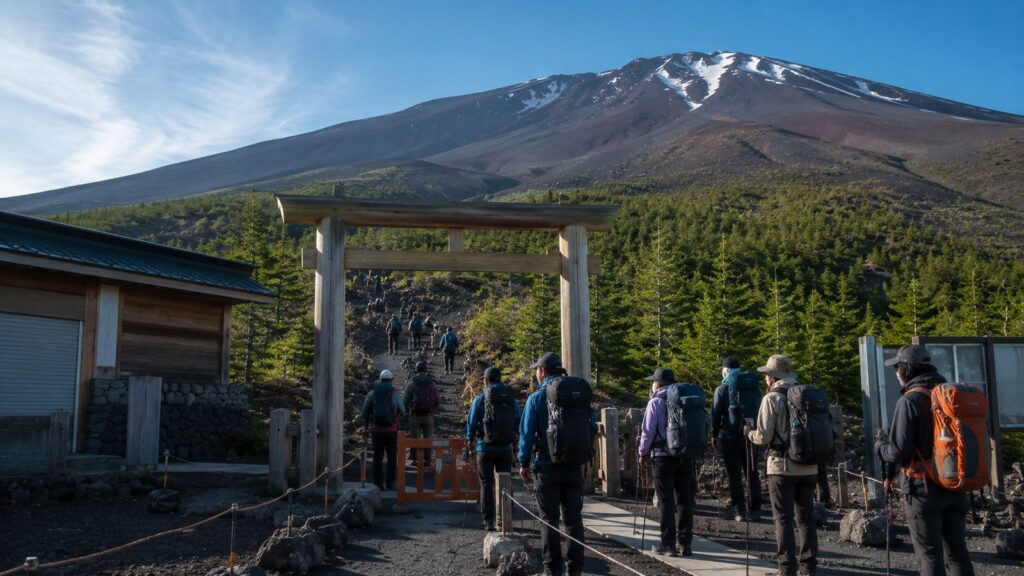 RulesYoshida Trail 2026 RulesGate hours, daily limits, and better planning.Read guide
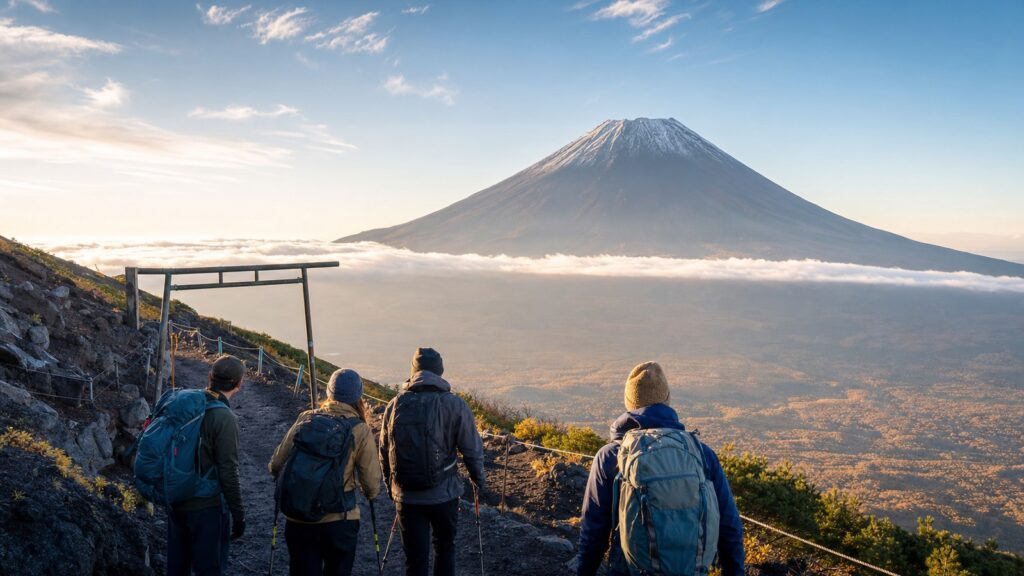 FeesMt. Fuji Hiking Fee 2026A simple English guide for travelers.Read guide
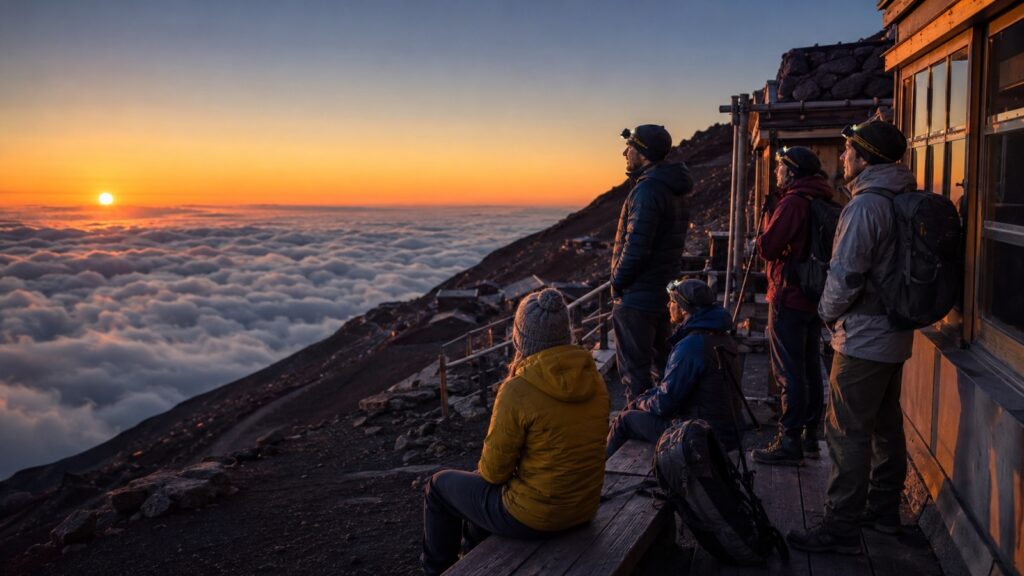 SunriseMt. Fuji Sunrise Crowds in 2026Why mountain-hut sunrise can be smarter.Read guide
Last updated: June 27, 2026 (JST). Use the linked guides for article-level official sources, photo credits, and date-specific checks.