Shizuoka-Side Mt. Fuji Trails in 2026: FUJI NAVI, QR Codes, and Safer Climbs
What Fujinomiya, Gotemba, and Subashiri climbers should know
Not every Mt. Fuji climb begins from Yamanashi. The Shizuoka side includes the Fujinomiya, Gotemba, and Subashiri trails, each with different terrain, elevation, and atmosphere.
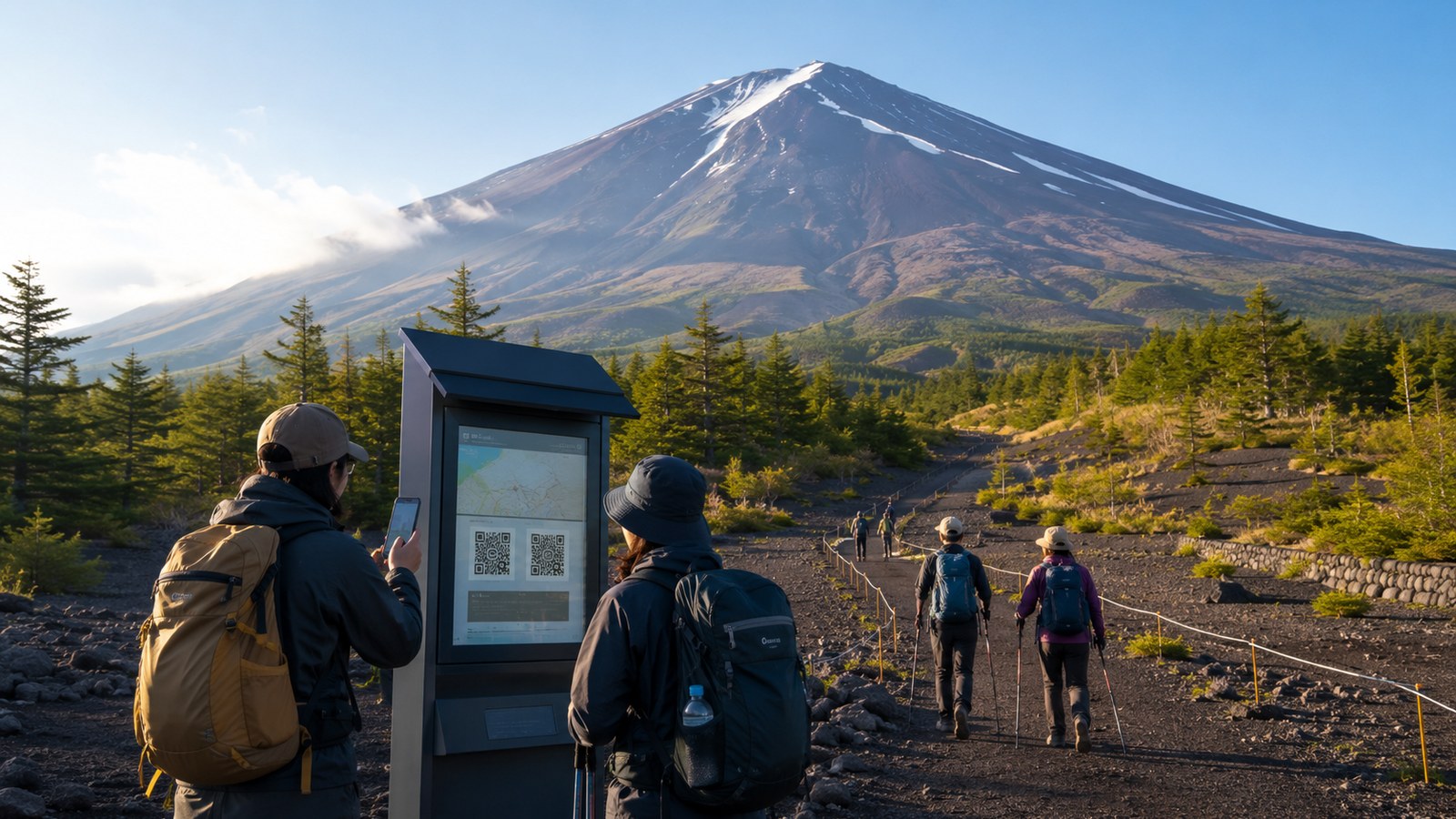
For 2026, Shizuoka guidance centers on pre-learning, the FUJI NAVI registration app, QR-code entry permits, and a 4,000 yen hiking fee.
1. FUJI NAVI is now part of the climb
Pre-registration
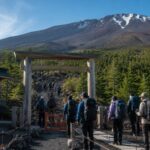
Photo: Ankur P / Wikimedia Commons / CC BY 2.0
For foreign visitors, this is good news if you prepare early: fewer surprises at the trailhead and a clearer framework for safe climbing.
What to do before travel
- Install and register before arriving at the 5th Station.
- Complete the rule and etiquette learning before your climb date.
- Screenshot key confirmations in case of weak reception.
2. Afternoon starts need a hut
2 PM to 3 AMThis rule is especially important for travelers coming from Tokyo or Hakone. A late arrival should not turn into a rushed overnight summit attempt.
Route planning
- Fujinomiya: shortest ascent, but still steep and high.
- Gotemba: long and physically demanding, with fewer huts.
- Subashiri: forested lower section, then volcanic gravel.
3. No daily cap does not mean easy
Important nuanceThe absence of a daily cap is not an invitation to be casual. Shizuoka routes are beautiful, but conditions can change quickly and descent planning is essential.
Travel comfort
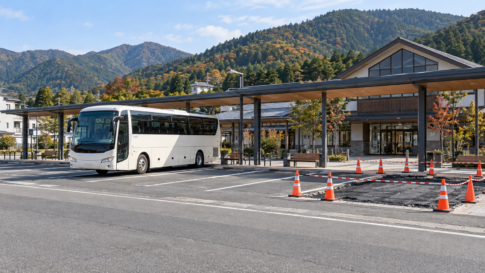
- Check last buses before deciding your descent time.
- Respect hut check-in times if staying overnight.
- Keep a conservative turn-back time even on clear days.
Why this matters
The Shizuoka side can be a richer, quieter Mt. Fuji experience for prepared travelers. It is not a shortcut around rules; it is a different mountain plan.
- FUJI NAVI
- Shizuoka trails
- QR permit
- Fujinomiya