Fuji Five Lakes Travel Guide
A gentle recovery-day plan after climbing Mt. Fuji: where food, sleep, onsen time, buses, and Lake Kawaguchiko pacing fit after the descent.
Do Less Than You Think
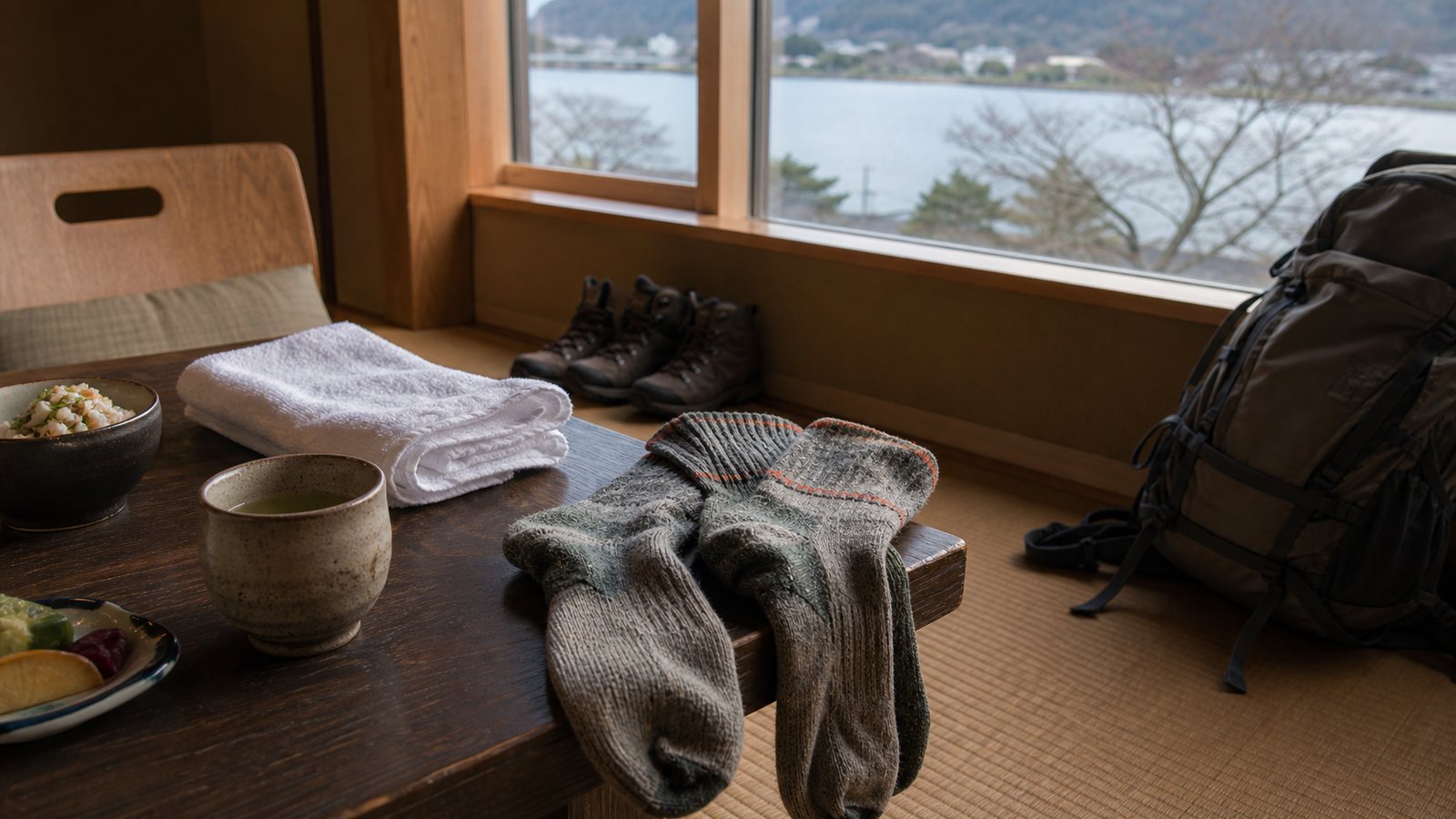
After climbing Mt. Fuji, many travelers underestimate the descent. Even if the summit went well, knees, sleep debt, weather exposure, and early starts add up. A recovery day around Lake Kawaguchiko should be simple: eat, bathe, rest, and choose one soft activity.
This does not mean wasting a day. It means using the Fuji Five Lakes area in a way that matches your body after the climb.
- Warm food first
- Hotel or luggage plan second
- Bath or rest third
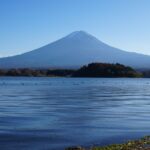
- One easy lake stop only if energy returns
Food That Works After The Descent
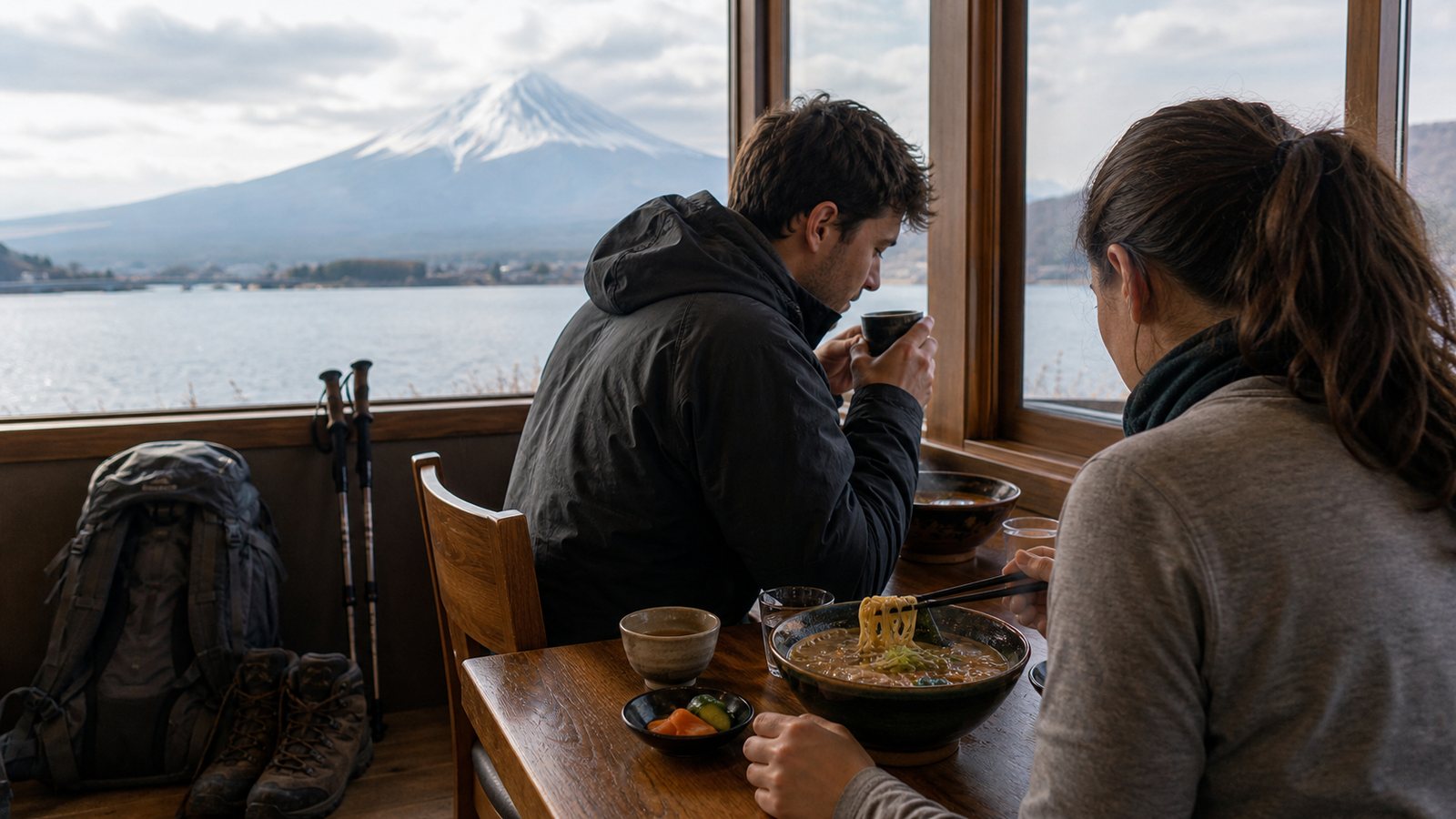
Hoto, udon, rice sets, soup, tea, fruit, and simple cafe food all make sense. The best meal is one you can reach without a complex route. If you are staying overnight, keep dinner close to the hotel or book a ryokan meal plan.
When To Travel Back To Tokyo
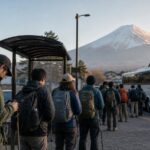
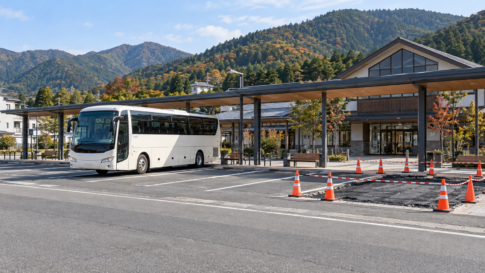
If you are very tired, consider staying one more night around Kawaguchiko instead of forcing a late transfer. If you must return, build a slow buffer around station time, luggage, food, and bus or train boarding.
FAQ
Is an onsen good after climbing Mt. Fuji?
It can feel restorative, but listen to your body, hydrate, and follow bath etiquette. If you feel unwell, prioritize rest.
Should I sightsee after descending?
Keep it light. One meal, one bath, or one short lake walk is usually enough.